What warnings apply to Slot Gacor?

The term “Slot Gacor” is often used online in gambling communities to suggest that certain slot games are “hot,” “loose,” or more likely to pay out.

In reality, these claims are not based on verifiable mechanics or proven systems. Many users encounter this term in forums, social media, or websites that promote gambling platforms.

A major warning is that content around “Slot Gacor” is often linked to misleading expectations and online gambling risks, especially when users are directed toward unregulated platforms such as various online betting or “situs toto” style sites. Understanding these warnings is important for anyone who comes across such content.

This article explains the key risks, misconceptions, and red flags associated with this type of gambling-related content.


1. Misleading Claim of “Predictable Wins”

One of the biggest warnings is the false belief that slot outcomes can be predicted.

Slot machines and online slots use Random Number Generators (RNGs). This means:

  • Every spin is independent
  • Past results do not influence future outcomes
  • “Hot” or “cold” streaks are random patterns, not signals

The idea of a “Slot Gacor” creates the illusion that players can identify winning machines, which is scientifically incorrect.


2. Psychological Manipulation Tactics

Many gambling-related websites use psychological tricks to keep users engaged.

Common tactics include:

Near-Miss Effects

Players are shown results that look “almost winning,” encouraging them to continue playing.

False Hype Terms

Words like “gacor,” “auto win,” or “lucky machine” are used to create excitement without evidence.

Urgency Triggers

Messages such as “limited time jackpot” or “today’s lucky slot” pressure users into quick decisions.

These tactics are designed to increase playtime, not improve player success.


3. Risk of Financial Loss

A critical warning is the high probability of financial loss.

Online slots are designed with a house edge, meaning:

  • Over time, the platform always wins mathematically
  • Short-term wins are random and not guaranteed
  • Long-term play typically results in losses

This is especially dangerous when users believe they have found a “winning pattern.”


4. Unregulated Platforms and Safety Concerns

Many websites promoting “Slot Gacor” are not properly regulated.

This can lead to:

Lack of Player Protection

  • No guarantee of fair play
  • No legal accountability

Withdrawal Problems

  • Delayed or denied payouts
  • Hidden conditions

Data Privacy Risks

  • Personal information may be misused
  • Weak cybersecurity protection

Users are often unaware of these risks until problems occur.


5. False Community Advice and Social Media Influence

Online communities sometimes reinforce misleading beliefs.

You may see:

  • “Winning screenshots” that are edited or staged
  • Claims of “sure-win strategies”
  • Influencers promoting specific platforms for profit

These sources are not reliable because they often benefit from user losses or affiliate commissions.


6. Addiction Risk and Behavioral Impact

Another serious warning is the risk of gambling addiction.

Signs include:

  • Repeated attempts to recover losses
  • Spending more than intended
  • Feeling anxious when not playing
  • Chasing “one more win”

Gambling addiction is recognized as a behavioral disorder and can affect mental health, relationships, and financial stability.


7. Misinterpretation of Probability

Many players misunderstand how probability works in slot games.

A key concept is:

  • Each spin has a fixed probability
  • The system does not “owe” a win after losses
  • Random outcomes do not balance in predictable cycles

This misunderstanding fuels belief in “Slot Gacor” systems, even though no such system exists.


8. Marketing Language Designed to Attract Users

Terms like “gacor” are primarily marketing tools.

They are used to:

  • Attract new users
  • Create excitement
  • Encourage repeated play

These terms are not based on technical gaming mechanics but on emotional appeal.


9. Legal and Age Restrictions

In many regions, online gambling is:

  • Restricted or illegal without licenses
  • Limited to adults only (18+ or 21+ depending on jurisdiction)

However, unregulated platforms may not enforce age checks properly, which is a serious legal and ethical issue.


10. Red Flags to Watch For

Here are clear warning signs of risky gambling-related content:

  • Promises of guaranteed wins
  • “Secret tricks” or “auto-win methods”
  • Pressure to deposit quickly
  • No clear licensing information
  • Unrealistic jackpot claims
  • Heavy reliance on social media hype

If multiple red flags appear, the platform or content should be treated with caution.


11. The Illusion of Control

A major psychological trap is the feeling that players can control outcomes.

Examples include:

  • Choosing “lucky” machines
  • Timing spins
  • Following “pattern charts”

In reality, these actions do not influence RNG-based systems.

This illusion often keeps players engaged longer than intended.


12. Financial and Emotional Consequences

Beyond money loss, there are emotional effects:

  • Stress and frustration
  • Guilt after losses
  • Sleep disruption due to overthinking outcomes
  • Relationship conflict due to secrecy or spending

These consequences often develop gradually.


13. Responsible Awareness and Safer Choices

Understanding these warnings helps users make better decisions.

Safer habits include:

  • Avoiding unverified gambling platforms
  • Not trusting “guaranteed win” claims
  • Setting strict spending limits (if gambling is legal and chosen)
  • Taking breaks to avoid compulsive behavior

Education is the strongest protection against misinformation.


Conclusion

The idea of “Slot Gacor” is largely built on misunderstanding, marketing language, and psychological bias rather than real game mechanics. While it may appear convincing in online discussions or promotional content, the underlying system of slot games is random and cannot be reliably predicted or manipulated.

The most important warnings involve financial risk, addiction potential, and exposure to unregulated platforms that may not protect users. Many of the claims surrounding “winning patterns” or “lucky machines” are designed to attract attention rather than provide factual information.

By recognizing these warning signs and understanding how randomness and probability actually work, individuals can avoid common traps associated with online gambling myths. Awareness and critical thinking remain the most effective tools for staying safe in digital environments where such claims are widespread.

What are website GEO questions users ask?

Website GEO questions users ask have become a major focus in modern search behavior, especially as AI-driven search engines and answer systems evolve.

Understanding these queries is essential for content creators, marketers, and website owners who want better visibility in AI search results.

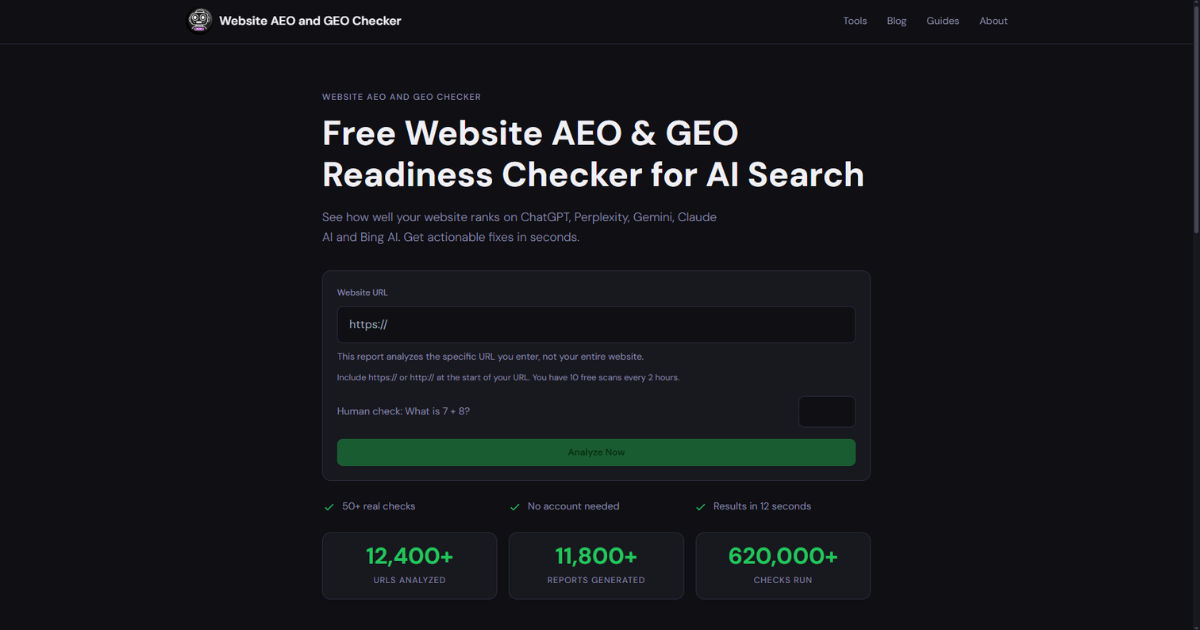
In this guide, we will also naturally include the importance of Website AEO and GEO Checker to understand how websites perform in GEO-based search environments and how user questions shape content strategy.

This comprehensive article explains what website GEO questions are, the types of questions users ask, why they matter, and how you can optimize your content for them. The language is simple, clear, and designed for a 12th-grade reading level.


What Does GEO Mean in Websites?

GEO stands for Generative Engine Optimization. It is the practice of optimizing content so that AI systems like chat-based search engines, voice assistants, and generative engines can easily understand, extract, and present your website content.

Unlike traditional SEO, which focuses on ranking in search engine results pages, GEO focuses on:

  • Being selected as an AI-generated answer
  • Appearing in summarized responses
  • Providing direct answers to user questions
  • Structuring content for machine understanding

When combined with SEO and Answer Engine Optimization (AEO), GEO ensures your content is ready for the next generation of search systems. Tools like Website AEO and GEO Checker help evaluate how well a page is optimized for these systems.


Why Website GEO Questions Matter

Users today do not just search keywords—they ask full questions. AI systems interpret these questions and extract answers from websites.

For example:

  • Instead of “best laptop 2026”
  • Users ask “Which laptop is best for students under budget in 2026?”

This shift makes GEO questions extremely important because:

They reflect real user intent

Users are no longer typing fragments. They are asking complete questions with context.

They guide AI-generated answers

AI search engines rely on question-based content to generate responses.

They improve content visibility

Websites that answer real questions are more likely to be selected as sources.

This is where Website AEO and GEO Checker becomes useful, as it helps identify whether your content is aligned with real user questions and AI search patterns.


What Are Website GEO Questions?

Website GEO questions are the types of queries users ask AI systems or search engines that are optimized for generative responses.

These questions usually:

  • Start with who, what, where, why, how
  • Require explanations or step-by-step answers
  • Include context or comparisons
  • Are natural language-based

Examples include:

  • What is website GEO optimization?
  • How does GEO help AI search ranking?
  • Why is GEO important for websites?
  • Which tools support GEO analysis?

These questions are the foundation of AI search visibility.


Types of Website GEO Questions Users Ask

Understanding categories of GEO questions helps you create better content. Below are the most common types.


Informational GEO Questions

These are the most common questions users ask. They are designed to learn or understand something.

Examples:

  • What is GEO in SEO?
  • How does generative engine optimization work?
  • Why is GEO important for websites?
  • What is the difference between SEO and GEO?

Purpose:

Users want knowledge, not products or services.

Content strategy:

  • Provide clear definitions
  • Use simple language
  • Add examples
  • Break concepts into steps

AI systems heavily prefer informational answers because they are easy to summarize.


Navigational GEO Questions

These questions help users find a specific website or tool.

Examples:

  • What is the best GEO analysis tool?
  • Where can I check website GEO performance?
  • Which platform offers GEO optimization reports?

Purpose:

Users already know what they want and are looking for a platform or tool.

Content strategy:

  • Mention tools and platforms clearly
  • Provide direct access information
  • Use structured lists

Many creators use Website AEO and GEO Checker to validate whether their content is discoverable for navigational queries.


Comparative GEO Questions

These questions compare two or more concepts, tools, or strategies.

Examples:

  • What is the difference between SEO and GEO?
  • GEO vs AEO: which is better?
  • Is GEO more effective than traditional SEO?

Purpose:

Users want to evaluate options before deciding.

Content strategy:

  • Use comparison tables
  • Highlight pros and cons
  • Keep explanations balanced

AI systems love structured comparisons because they are easy to summarize in responses.


Transactional GEO Questions

These questions indicate intent to take action.

Examples:

  • How to improve GEO ranking for my website?
  • How to optimize content for AI search?
  • What tools can help with GEO optimization?

Purpose:

Users want solutions, tools, or services.

Content strategy:

  • Provide step-by-step guides
  • Suggest actionable strategies
  • Avoid vague explanations

Using Website AEO and GEO Checker helps identify gaps in transactional readiness.


Problem-Solving GEO Questions

These are focused on solving a specific issue.

Examples:

  • Why is my website not appearing in AI search results?
  • How to fix low GEO visibility?
  • Why is my content not picked by generative engines?

Purpose:

Users want troubleshooting help.

Content strategy:

  • Identify problems clearly
  • Offer fixes and steps
  • Provide reasons behind issues

These questions are highly valuable because they reflect real-world user challenges.


Local GEO Questions

These are location-based queries.

Examples:

  • Best SEO services near me for GEO optimization
  • Which agencies handle GEO content optimization in my area?
  • How does GEO ranking work for local businesses?

Purpose:

Users want local solutions or services.

Content strategy:

  • Include location signals
  • Provide localized examples
  • Structure content for local intent

Future-Oriented GEO Questions

These questions focus on predictions or trends.

Examples:

  • Will GEO replace SEO in the future?
  • How will AI search change website optimization?
  • What is the future of generative search engines?

Purpose:

Users want to understand trends.

Content strategy:

  • Provide insights
  • Discuss evolving technologies
  • Avoid speculation without reasoning

How Users Form GEO Questions

Users typically form GEO questions based on:

Curiosity

They want to learn something new.

Problems

They are facing issues with visibility or ranking.

Comparison needs

They want to choose between tools or strategies.

Decision-making

They are preparing to take action.

AI-assisted behavior

As AI chat tools become common, users naturally ask full conversational questions instead of keywords.

This shift is exactly why Website AEO and GEO Checker tools are becoming important in modern digital strategy.


Why GEO Questions Are Different from SEO Keywords

Traditional SEO focused on keywords like:

  • “GEO optimization”
  • “AI search ranking”

But GEO focuses on:

  • “How do I optimize my website for AI search engines?”
  • “Why is my website not showing in AI-generated answers?”

Key differences:

  • GEO uses full sentences
  • GEO is conversational
  • GEO focuses on intent
  • GEO is AI-driven

Search engines are becoming answer engines, which makes GEO questions more important than ever.


How to Optimize for GEO Questions

To rank well in AI-driven search systems, your website must align with GEO question patterns.

1. Use question-based headings

Structure content using “What”, “Why”, “How”.

2. Provide direct answers

Avoid unnecessary filler content.

3. Use simple language

AI prefers clarity over complexity.

4. Add structured sections

Break content into clear parts.

5. Focus on intent

Understand what the user really wants.

6. Analyze performance

Use Website AEO and GEO Checker to evaluate whether your content is aligned with AI search expectations.


Role of Website AEO and GEO Checker in GEO Optimization

A major part of modern optimization is analyzing whether your website is ready for AI search engines.

A Website AEO and GEO Checker helps you:

  • Measure AI readability
  • Check question alignment
  • Identify missing content gaps
  • Evaluate answer quality
  • Improve generative search visibility

It acts as a diagnostic tool for GEO readiness and helps improve content structure for AI-driven platforms.


Common Mistakes in Answering GEO Questions

Many websites fail to rank in AI search because of:

1. Keyword stuffing instead of answering

AI ignores content that is not helpful.

2. Lack of structure

Unorganized content is harder for AI to interpret.

3. Too much complexity

Overly technical language reduces clarity.

4. No question targeting

If you don’t target questions, you miss GEO traffic.

5. Ignoring user intent

Content must match what users actually want to know.


How GEO Questions Shape the Future of Search

GEO questions are transforming how people interact with search engines.

Instead of typing:

  • “SEO tips”

Users now ask:

  • “What are the best SEO tips for ranking on AI search engines in 2026?”

This shift means:

  • Search is becoming conversational
  • Answers are becoming primary results
  • Websites must adapt to natural language

Tools like Website AEO and GEO Checker help ensure websites remain competitive in this evolving environment.


Conclusion

Website GEO questions are changing the way users search for information online. Instead of short keywords, users now ask full, meaningful questions that reflect intent, context, and real-world needs. These questions fall into different categories such as informational, navigational, comparative, transactional, and problem-solving queries.

Understanding these questions is essential for building content that performs well in AI-powered search engines. Websites that adapt to this shift will have a strong advantage in visibility, engagement, and authority.

Modern optimization is no longer just about traditional SEO—it is about aligning with AI-driven systems, user intent, and conversational search behavior. This is why tools like Website AEO and GEO Checker are becoming essential for analyzing and improving GEO performance.

As search technology continues to evolve, GEO questions will play an even bigger role in shaping how information is discovered, ranked, and delivered. Websites that focus on answering real user questions clearly and effectively will lead the future of digital visibility.

What Slot Game terminology should be known?

If you are new to online gaming, understanding slot game terminology is one of the most important steps before you start playing. Modern slot games are not just about pressing a spin button;

they are built on systems, math, and features that all have specific meanings. In this guide, we will break down the most important terms in a simple and clear way so even a 12th-grade student can easily understand them.

We will also naturally refer to the term slot deposit5000 as part of the discussion on gaming and budgeting concepts in online slots.


Introduction to Slot Game Language

Online slot games use a variety of technical and gaming terms that can feel confusing at first. These terms describe how the game works, how wins are calculated, and what features are available.

For example, when players make a slot deposit5000, they are essentially funding their gaming balance, which allows them to play spins, unlock features, or enter bonus rounds depending on the platform. Understanding the terminology behind these actions helps players make better decisions.

In this guide, we will explore all the key terms you need to know, from basic concepts like reels and paylines to advanced ideas like volatility and RTP.


Basic Slot Game Structure Terms

Reels

Reels are the vertical spinning columns in a slot machine. Most classic slots have 3 reels, while modern video slots usually have 5 or more. When you press spin, the reels rotate and stop randomly to form a result.

The arrangement of symbols on reels determines whether you win or lose.


Symbols

Symbols are the images that appear on reels. These can include fruits, numbers, characters, or themed icons depending on the game.

Common types of symbols include:

  • Regular symbols (basic icons)
  • Special symbols (wilds and scatters)
  • Bonus symbols (trigger bonus rounds)

Paylines

Paylines are the patterns across reels where winning combinations can occur. In older games, there was usually only one line. Modern slots can have 10, 20, 50, or even hundreds of paylines.

Some games even use “all ways pay” systems instead of traditional paylines.


Key Gameplay Mechanics

RNG (Random Number Generator)

The RNG is the most important system in any slot game. It ensures that every spin is completely random and independent of previous results.

This means no one can predict or influence the outcome, even after a slot deposit5000 or any other deposit amount.


RTP (Return to Player)

RTP stands for Return to Player. It is the percentage of total money a game is expected to return to players over time.

For example:

  • A slot with 96% RTP means that, on average, it returns $96 for every $100 wagered over a long period.

RTP does not guarantee short-term wins but helps players understand long-term expectations.


Volatility (Variance)

Volatility describes the risk level of a slot game.

  • Low volatility: frequent but small wins
  • Medium volatility: balanced wins
  • High volatility: rare but large wins

Understanding volatility helps players choose games that match their playing style and budget.


Important Slot Features

Wild Symbols

Wild symbols act like jokers in a card game. They can replace other symbols to help create winning combinations.

Some wilds also come with multipliers, increasing your win amount.


Scatter Symbols

Scatter symbols are special because they do not need to appear on a payline to trigger a reward. They often activate free spins or bonus rounds.

Usually, landing 3 or more scatter symbols triggers a bonus feature.


Bonus Rounds

Bonus rounds are special game modes that offer extra rewards. These may include mini-games, pick-and-win features, or free spin rounds.

Bonus rounds are often the most exciting part of slot games.


Free Spins

Free spins allow players to spin the reels without using their balance. Winnings from free spins are usually added to the player's account balance.

Free spins are commonly triggered by scatter symbols or bonus features.


Slot Game Money and Betting Terms

Bet Size

Bet size refers to how much a player wagers per spin. Players can usually adjust this amount based on their budget.

For example, a player might choose a small bet size after making a slot deposit5000 to manage risk and extend gameplay.


Coin Value

Coin value is the worth of each virtual coin in a slot game. Changing the coin value changes how much each spin costs.


Credits

Credits are the in-game currency used to place bets and track winnings.


Max Bet

Max bet means the highest possible wager allowed per spin. Some games offer bonus features that are only activated when using max bet.


Advanced Slot Concepts

Hit Frequency

Hit frequency refers to how often a slot game produces a winning combination.

  • High hit frequency: frequent small wins
  • Low hit frequency: rare wins but potentially larger payouts

Paytable

The paytable is a chart that shows all possible winning combinations and their payouts. It also explains symbol values and bonus rules.

Before playing any slot game, it is important to check the paytable carefully.


Jackpot Types

Jackpots are large prize rewards in slot games. There are several types:

  • Fixed jackpot: always the same amount
  • Progressive jackpot: grows over time as more players play
  • Random jackpot: triggered unexpectedly during gameplay

Progressive jackpots are often linked across multiple players or casinos.


Progressive Jackpot

A progressive jackpot increases every time someone plays the game. A small portion of each bet contributes to the jackpot pool.

This makes it possible for massive wins, sometimes reaching millions.


Game Design and Thematic Terms

Theme

The theme refers to the overall design of the slot game. Themes can include:

  • Ancient civilizations
  • Adventure stories
  • Fantasy worlds
  • Movies or pop culture

Themes do not affect gameplay but make the experience more engaging.


Animation and Sound Effects

Modern slot games include animations and sound effects to enhance the player experience. These elements make wins feel more exciting and immersive.


UI (User Interface)

The UI is the layout of buttons, reels, and menus in the game. A good UI makes it easy for players to understand controls and game features.


Responsible Gaming Terms

Session Limit

A session limit is the amount of time or money a player sets for a gaming session.


Budgeting

Budgeting refers to planning how much money to use for gaming. Many players decide their budget before making a slot deposit5000 or any other deposit amount.


Responsible Play

Responsible play means enjoying slot games without spending more than you can afford. It also includes knowing when to stop.


Strategy-Related Terms

Bankroll

Bankroll is the total amount of money a player sets aside for gaming.


Betting Strategy

A betting strategy is a method players use to decide how much to bet per spin. Some strategies focus on small consistent bets, while others take higher risks.


Session Management

Session management involves controlling how long and how much you play in one sitting.


Common Misunderstood Terms

“Due” Wins Myth

Some players believe a slot is “due” for a win after losing for a while. This is incorrect because RNG ensures each spin is independent.


Hot and Cold Slots

  • Hot slot: believed to pay more frequently
  • Cold slot: believed to pay less frequently

In reality, outcomes are random and not influenced by past results.


Why Understanding Terminology Matters

Knowing slot game terminology helps players:

  • Make smarter betting decisions
  • Understand risks and rewards
  • Avoid common myths
  • Enjoy games more confidently
  • Manage their budget better, especially after actions like a slot deposit5000

When players understand how the system works, they are less likely to misunderstand outcomes or fall for false assumptions.


Practical Example of Terms in Action

Imagine a player starts a session with a slot deposit5000. They choose a medium volatility game, set a moderate bet size, and check the paytable before spinning.

During gameplay:

  • They land scatter symbols and trigger free spins
  • A wild symbol helps complete a winning line
  • The RTP gives them a general idea of long-term expectations

This combination of knowledge makes the experience more controlled and enjoyable.


Conclusion

Slot games are built on a wide range of technical and gameplay concepts, and understanding these terms is essential for anyone who wants to play responsibly and effectively. From basic ideas like reels and symbols to advanced systems like RTP, volatility, and jackpots, each term plays a role in shaping how the game works.

When players understand these concepts, they gain more control over their experience, make better choices, and reduce confusion during gameplay. Even simple actions like a slot deposit5000 become more meaningful when you understand how the game system processes bets and outcomes.

Ultimately, slot terminology is not just about definitions—it is about building awareness. The more you understand, the better your overall gaming experience becomes.

where does Addlestone Airport Taxi meet people?

If you are planning a journey to or from the airport, understanding the pickup process is very important. Addlestone Airport Taxi is often chosen by travelers because of its convenience, reliability, and clear meeting arrangements.

From airport terminals to train stations and even doorstep pickups, Addlestone Airport Taxi services are designed to make travel stress-free.

In this detailed guide, we will explain exactly where Addlestone Airport Taxi meets passengers, how the pickup system works, and what you can expect during your journey. This article is written in a simple way so even a 12th-grade student can easily understand it.


How Addlestone Airport Taxi Pickups Work

Before exploring locations, it is important to understand how Addlestone Airport Taxi coordinates pickups. Unlike random street taxis, Addlestone Airport Taxi services are pre-booked. This means your driver is assigned in advance and knows exactly where to meet you.

When you book Addlestone Airport Taxi, you typically provide:

  • Your pickup location
  • Flight details (if applicable)
  • Contact information
  • Preferred meeting instructions

This helps Addlestone Airport Taxi ensure smooth and timely pickups.


Where Addlestone Airport Taxi Meets Passengers at Airports

One of the most common questions travelers ask is where exactly Addlestone Airport Taxi meets passengers at airports. The answer depends on the airport, but the process is usually very organized.

Terminal Arrivals Area

At most airports, Addlestone Airport Taxi meets passengers inside the arrivals hall. After landing, you collect your luggage and proceed to the arrivals exit where your driver is waiting.

Drivers using Addlestone Airport Taxi often hold a name board so you can easily identify them.

Designated Pickup Zones

Some airports have strict regulations. In such cases, Addlestone Airport Taxi drivers wait in designated pickup zones just outside the terminal. These zones are clearly marked and easy to find.

Meet and Greet Service

Many passengers prefer the meet and greet option. With Addlestone Airport Taxi, this means the driver enters the terminal, assists with luggage, and escorts you to the car park.

This service is especially helpful for:

  • First-time travelers
  • Families with children
  • Elderly passengers
  • Business travelers in a hurry

Addlestone Airport Taxi Meeting Points at Heathrow Airport

Heathrow is one of the busiest airports, and Addlestone Airport Taxi has well-planned meeting points there.

Terminal 2 & 3 Arrivals

At these terminals, Addlestone Airport Taxi drivers usually wait near the Costa Coffee area in arrivals or the designated meeting point near exit doors.

Terminal 4 Arrivals

For Terminal 4, Addlestone Airport Taxi pickups are commonly arranged near the arrivals hall exit where all pre-booked taxis gather.

Terminal 5 Arrivals

At Terminal 5, Addlestone Airport Taxi drivers typically wait in the short-stay parking meet-and-greet area or inside arrivals with a name board.

Across all terminals, Addlestone Airport Taxi ensures passengers are not confused and can easily find their driver.


Addlestone Airport Taxi Meeting Points at Gatwick Airport

Gatwick Airport is another major hub for Addlestone Airport Taxi services.

North Terminal

At the North Terminal, Addlestone Airport Taxi drivers usually meet passengers inside the arrivals hall near the main exit or café area.

South Terminal

At the South Terminal, Addlestone Airport Taxi pickups are arranged near the arrivals exit doors or the designated meeting zone.

Short Stay Car Park Option

Some bookings with Addlestone Airport Taxi include pickup directly from the short-stay car park, where drivers wait with clear identification signs.


Addlestone Airport Taxi at Other UK Airports

Although Heathrow and Gatwick are the busiest, Addlestone Airport Taxi also serves many other airports.

Luton Airport

At Luton, Addlestone Airport Taxi drivers typically meet passengers at the terminal exit or in the official pickup lane.

Stansted Airport

At Stansted, Addlestone Airport Taxi pickups are usually arranged in the designated forecourt or inside the arrivals hall.

London City Airport

Because London City is smaller, Addlestone Airport Taxi often meets passengers directly at the arrivals exit.


Addlestone Airport Taxi Meeting Points at Train Stations

Not all trips start at airports. Many passengers also use Addlestone Airport Taxi from train stations.

Addlestone Railway Station

At Addlestone Station, Addlestone Airport Taxi usually meets passengers outside the main station exit near the taxi rank.

Woking Station

At Woking Station, Addlestone Airport Taxi pickups are arranged at the front entrance where taxis and private hires stop.

Waterloo Station

In central London, Addlestone Airport Taxi drivers often meet passengers at designated pickup points or near specific exits arranged during booking.


Hotel and Residential Pickups by Addlestone Airport Taxi

One of the most convenient features of Addlestone Airport Taxi is door-to-door service.

Hotel Pickups

If you are staying in a hotel, Addlestone Airport Taxi meets you at the hotel entrance or reception area. The driver usually contacts you before arrival.

Home Pickups

For residential bookings, Addlestone Airport Taxi comes directly to your home address. The driver parks nearby and waits at your doorstep.

This is especially useful for early morning or late-night airport transfers.


How Addlestone Airport Taxi Drivers Identify Passengers

To avoid confusion, Addlestone Airport Taxi drivers use clear identification methods:

  • Name boards in arrivals halls
  • Text or call communication
  • Vehicle details sent in advance
  • Pickup codes for confirmation

These steps ensure that Addlestone Airport Taxi passengers can quickly find their driver without stress.


Step-by-Step Meeting Process with Addlestone Airport Taxi

Here is how a typical pickup works:

Step 1: Booking Confirmation

Once you book Addlestone Airport Taxi, you receive confirmation details including pickup time and location.

Step 2: Driver Assignment

A driver is assigned by Addlestone Airport Taxi and receives your details.

Step 3: Arrival Notification

You may receive a message when the Addlestone Airport Taxi driver arrives at the location.

Step 4: Meeting Point

You go to the agreed meeting point where Addlestone Airport Taxi driver is waiting.

Step 5: Journey Begins

After identification, your Addlestone Airport Taxi journey begins smoothly.


Benefits of Clear Meeting Points with Addlestone Airport Taxi

Clear pickup locations are important for several reasons:

  • Reduces confusion in busy airports
  • Saves time after long flights
  • Ensures safety and reliability
  • Helps international travelers navigate easily
  • Makes travel stress-free

Because of this, Addlestone Airport Taxi focuses heavily on organized meeting systems.


Tips for Finding Your Addlestone Airport Taxi Easily

To make your experience smoother, follow these tips:

  • Keep your phone active after landing
  • Check messages from Addlestone Airport Taxi
  • Follow airport signs to arrivals exit
  • Look for your name board carefully
  • Stay at the designated meeting point

These simple steps help you quickly locate your Addlestone Airport Taxi driver.


Common Mistakes to Avoid When Meeting Addlestone Airport Taxi

Sometimes passengers face delays due to small mistakes:

  • Not checking the correct terminal
  • Ignoring driver messages from Addlestone Airport Taxi
  • Leaving the pickup area too early
  • Confusing public taxis with Addlestone Airport Taxi
  • Forgetting booking details

Avoiding these mistakes ensures a smooth pickup experience.


Why Addlestone Airport Taxi Is Reliable for Pickups

The reliability of Addlestone Airport Taxi comes from:

  • Professional drivers
  • Pre-booked scheduling
  • Real-time communication
  • Clear airport knowledge
  • Dedicated pickup zones

This system ensures that Addlestone Airport Taxi remains one of the most dependable transport options.


Frequently Asked Questions

Where exactly does Addlestone Airport Taxi meet passengers at airports?

Addlestone Airport Taxi usually meets passengers in arrivals halls, designated pickup zones, or meet-and-greet areas depending on the airport.

Can Addlestone Airport Taxi pick me up from my home?

Yes, Addlestone Airport Taxi provides full door-to-door home pickup service.

What if I cannot find my Addlestone Airport Taxi driver?

You can contact your driver directly, and Addlestone Airport Taxi support can also assist you.


Conclusion

Understanding where Addlestone Airport Taxi meets passengers is essential for a smooth travel experience. Whether it is at airport terminals, train stations, hotels, or your home, Addlestone Airport Taxi ensures clear and well-organized pickup points.

From Heathrow to Gatwick and beyond, Addlestone Airport Taxi uses structured meeting systems like arrivals halls, meet-and-greet services, and designated pickup zones to reduce stress and save time. This makes travel easier, especially for passengers unfamiliar with airport layouts.

By following simple instructions and staying in contact with your driver, your experience with Addlestone Airport Taxi becomes seamless and efficient. It is this reliability and clarity that make it a preferred choice for airport transfers.

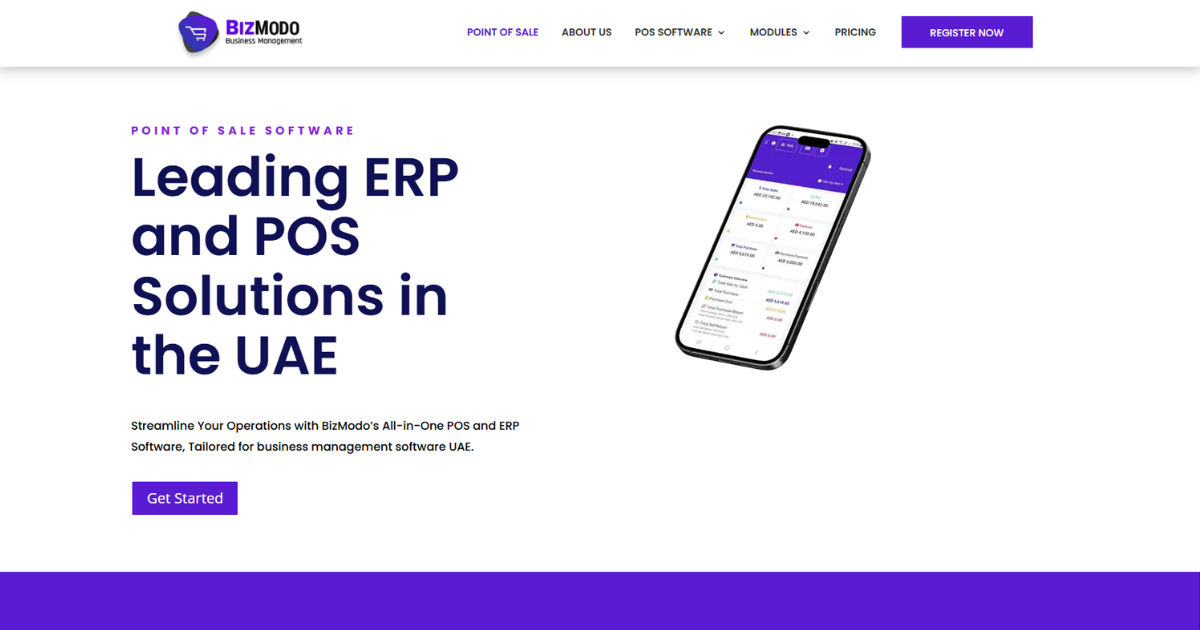
How restaurant POS stock tracking works?

In modern food service businesses, restaurant POS systems are no longer just tools for billing—they are the backbone of inventory control and smart stock management. Understanding how restaurant POS stock tracking works is essential for restaurant owners, managers, and even students studying hospitality. A restaurant POS system helps track every ingredient from purchase to plate, reducing waste and improving profitability. In simple terms, restaurant POS stock tracking connects sales, kitchen usage, and inventory in one intelligent system that updates in real time.

This guide explains the full process in a clear, step-by-step way so anyone can understand how restaurant POS systems manage stock efficiently.


What is Restaurant POS Stock Tracking?

Stock tracking in a restaurant POS system is the process of monitoring ingredients and supplies from the moment they arrive in the restaurant until they are used in dishes. A restaurant POS automatically records each sale and deducts the required ingredients from inventory.

Instead of manually counting items every day, the restaurant POS system updates stock levels automatically whenever a dish is sold. This helps restaurant managers know exactly what is available, what is running low, and what needs to be ordered.

A restaurant POS connects three key areas:

  • Sales transactions
  • Recipe ingredient usage
  • Inventory database

By combining these, the restaurant POS creates a real-time view of stock movement.


Why Stock Tracking Matters in a Restaurant POS System

Without proper stock tracking, restaurants often face over-ordering, waste, or shortages. A restaurant POS helps solve these problems by offering accurate data.

A restaurant POS system ensures that:

  • Ingredients are not overused or stolen unnoticed
  • Orders are based on real consumption
  • Waste is tracked and minimized
  • Profit margins stay under control

For example, if a burger is sold, the restaurant POS automatically deducts bun, meat, cheese, and sauce from inventory. This prevents manual errors and improves efficiency.

A restaurant POS also helps managers make better business decisions by showing which items are profitable and which are wasting stock.


How a Restaurant POS Captures Sales Data

Every time a customer places an order, the restaurant POS records it instantly. This is the foundation of stock tracking.

When a waiter enters an order into the restaurant POS, the system does three things:

  1. Records the sale
  2. Identifies the menu item
  3. Links it to ingredients in inventory

For example, if a pizza is ordered, the restaurant POS knows exactly what ingredients are required for that pizza.

This process ensures that every sale directly affects stock levels in the restaurant POS database.

A restaurant POS does not just store sales data—it actively uses it to manage inventory in real time.


Inventory Database in a Restaurant POS

At the core of a restaurant POS system is an inventory database. This database contains all ingredients, quantities, suppliers, and purchase details.

A restaurant POS organizes inventory like this:

  • Ingredient name
  • Unit of measurement (kg, liters, pieces)
  • Current stock level
  • Minimum stock level
  • Supplier information

Every time stock is used or added, the restaurant POS updates this database automatically.

The strength of a restaurant POS lies in its ability to keep this data accurate without manual updates.


Real-Time Stock Deduction in Restaurant POS

One of the most powerful features of a restaurant POS is real-time stock deduction.

When a dish is sold, the restaurant POS immediately subtracts the required ingredients. This happens instantly in the background.

For example:

  • Burger sold → bun, patty, cheese deducted
  • Pasta sold → pasta, sauce, oil deducted

The restaurant POS ensures that inventory always reflects actual usage.

This real-time update helps managers avoid surprises like running out of key ingredients during peak hours.

A restaurant POS essentially turns every sale into an inventory update.


Ingredient-Level vs Item-Level Tracking in Restaurant POS

A restaurant POS can track inventory in two different ways:

Item-Level Tracking

This is the simpler method where the restaurant POS only tracks finished menu items. For example, one burger sold equals one unit deducted.

Ingredient-Level Tracking

This is more advanced and commonly used in modern restaurant POS systems. It tracks each ingredient separately.

For example, a burger sale in the restaurant POS deducts:

  • 1 bun
  • 1 patty
  • 1 slice of cheese
  • Sauce portion

Ingredient-level tracking gives more accuracy and control in a restaurant POS system.


Recipe Management and Bill of Materials in Restaurant POS

A key part of stock tracking is recipe management. The restaurant POS uses something called a Bill of Materials (BOM), which is basically a recipe breakdown.

In a restaurant POS, each menu item is linked to a recipe:

  • Ingredients
  • Quantity per dish
  • Preparation standards

When a dish is sold, the restaurant POS uses this recipe to calculate exactly how much stock to deduct.

This ensures consistency and accuracy across all orders in the restaurant POS system.

Without recipe mapping, a restaurant POS cannot properly track ingredient usage.


Stock Receiving and Purchase Orders in Restaurant POS

Stock tracking is not only about usage—it also includes stock entry. A restaurant POS manages incoming inventory through purchase orders.

When new stock arrives:

  1. Supplier delivers goods
  2. Staff enters details into the restaurant POS
  3. Inventory levels are updated automatically

The restaurant POS records:

  • Quantity received
  • Supplier name
  • Cost price
  • Delivery date

This allows the restaurant POS to maintain full visibility of stock flow from purchase to consumption.


Stock Adjustments and Waste Tracking in Restaurant POS

In real restaurant environments, not everything goes perfectly. Some stock gets wasted, damaged, or spoiled. A restaurant POS allows manual adjustments to handle this.

For example:

  • Spoiled vegetables removed
  • Broken bottles recorded
  • Cooking waste tracked

The restaurant POS adjusts inventory accordingly so records remain accurate.

Waste tracking in a restaurant POS is important because it shows where money is being lost.

Managers can use restaurant POS reports to reduce unnecessary waste and improve efficiency.


Supplier Integration in Restaurant POS Systems

Modern restaurant POS systems often integrate directly with suppliers. This makes ordering easier and faster.

With supplier integration, a restaurant POS can:

  • Suggest reorders automatically
  • Send purchase orders directly
  • Track delivery status

This reduces manual work and ensures the restaurant never runs out of essential ingredients.

A restaurant POS becomes a communication bridge between the restaurant and suppliers.


Alerts and Reorder Levels in Restaurant POS

A smart restaurant POS uses predefined stock levels to trigger alerts.

For example:

  • If tomatoes fall below 10kg → alert triggered
  • If chicken stock is low → reorder suggestion appears

The restaurant POS continuously monitors inventory and notifies staff when action is needed.

This helps prevent stockouts and ensures smooth kitchen operations.

A restaurant POS uses these alerts to keep everything running efficiently.


Reporting and Analytics in Restaurant POS Stock Tracking

One of the most valuable features of a restaurant POS is reporting.

A restaurant POS generates detailed reports such as:

  • Daily stock usage
  • Cost of goods sold (COGS)
  • Waste reports
  • Ingredient consumption trends

These reports help managers understand how stock is being used over time.

For example, a restaurant POS might show that chicken usage is unusually high, indicating waste or portion control issues.

With these insights, a restaurant POS helps improve profitability and reduce losses.


Common Challenges in Restaurant POS Stock Tracking

Even though a restaurant POS is powerful, it can face challenges.

Some common issues include:

  • Incorrect recipe setup
  • Human input errors
  • Poor training of staff
  • Inaccurate initial stock entry

If the setup in the restaurant POS is wrong, all tracking becomes inaccurate.

That is why proper configuration is essential for a restaurant POS system to work effectively.

Another challenge is maintaining discipline in updating stock adjustments in the restaurant POS.


Best Practices for Using Restaurant POS Stock Tracking

To get the most out of a restaurant POS, restaurants should follow best practices:

  • Keep recipes updated in the restaurant POS
  • Train staff properly on usage
  • Conduct regular stock audits
  • Update purchase records immediately
  • Monitor reports weekly

A well-maintained restaurant POS ensures accurate tracking and better decision-making.

Consistency is key when working with a restaurant POS system.


Conclusion

A restaurant POS stock tracking system is one of the most important tools in modern restaurant management. It connects sales, inventory, recipes, and supplier data into one unified system. By using a restaurant POS, restaurants can reduce waste, control costs, and improve overall efficiency.

From real-time deductions to advanced reporting, a restaurant POS ensures that every ingredient is accounted for. It transforms traditional manual inventory management into a smart, automated process.

However, the effectiveness of a restaurant POS depends on proper setup, accurate data entry, and regular monitoring. When used correctly, a restaurant POS becomes a powerful tool for profitability and smooth kitchen operations.

In simple terms, a restaurant POS is not just a billing system—it is the brain of modern restaurant stock management.