

The term “Slot Gacor” is often used online in gambling communities to suggest that certain slot games are “hot,” “loose,” or more likely to pay out.
In reality, these claims are not based on verifiable mechanics or proven systems. Many users encounter this term in forums, social media, or websites that promote gambling platforms.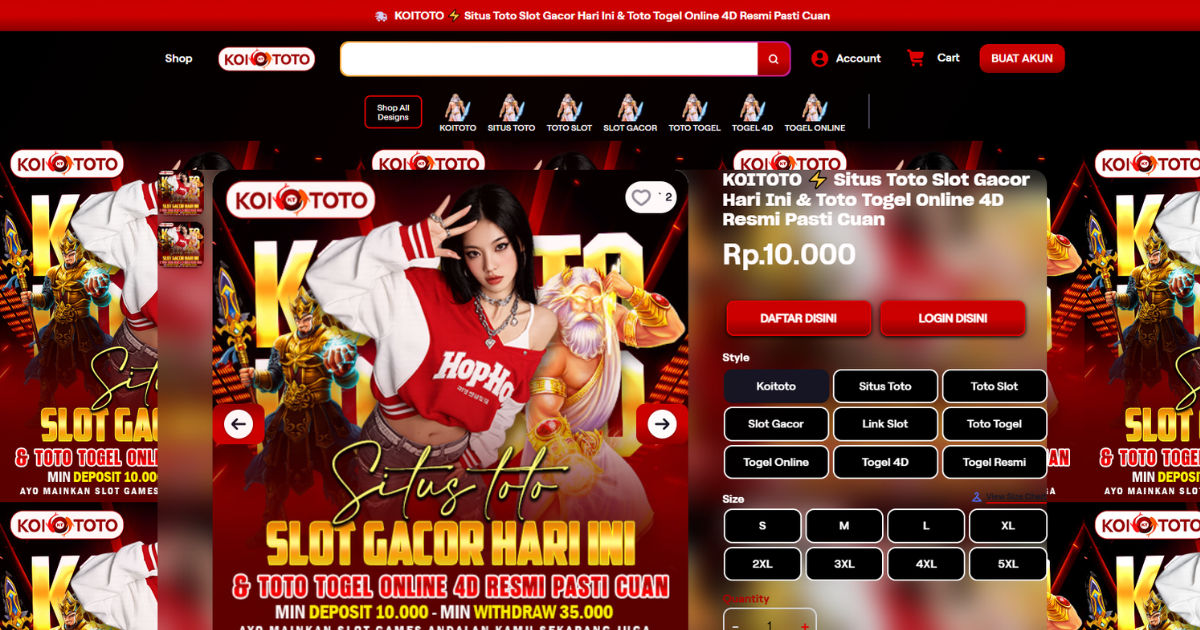
A major warning is that content around “Slot Gacor” is often linked to misleading expectations and online gambling risks, especially when users are directed toward unregulated platforms such as various online betting or “situs toto” style sites. Understanding these warnings is important for anyone who comes across such content.
This article explains the key risks, misconceptions, and red flags associated with this type of gambling-related content.
1. Misleading Claim of “Predictable Wins”
One of the biggest warnings is the false belief that slot outcomes can be predicted.
Slot machines and online slots use Random Number Generators (RNGs). This means:
- Every spin is independent
- Past results do not influence future outcomes
- “Hot” or “cold” streaks are random patterns, not signals
The idea of a “Slot Gacor” creates the illusion that players can identify winning machines, which is scientifically incorrect.
2. Psychological Manipulation Tactics
Many gambling-related websites use psychological tricks to keep users engaged.
Common tactics include:
Near-Miss Effects
Players are shown results that look “almost winning,” encouraging them to continue playing.
False Hype Terms
Words like “gacor,” “auto win,” or “lucky machine” are used to create excitement without evidence.
Urgency Triggers
Messages such as “limited time jackpot” or “today’s lucky slot” pressure users into quick decisions.
These tactics are designed to increase playtime, not improve player success.
3. Risk of Financial Loss
A critical warning is the high probability of financial loss.
Online slots are designed with a house edge, meaning:
- Over time, the platform always wins mathematically
- Short-term wins are random and not guaranteed
- Long-term play typically results in losses
This is especially dangerous when users believe they have found a “winning pattern.”
4. Unregulated Platforms and Safety Concerns
Many websites promoting “Slot Gacor” are not properly regulated.
This can lead to:
Lack of Player Protection
- No guarantee of fair play
- No legal accountability
Withdrawal Problems
- Delayed or denied payouts
- Hidden conditions
Data Privacy Risks
- Personal information may be misused
- Weak cybersecurity protection
Users are often unaware of these risks until problems occur.
5. False Community Advice and Social Media Influence
Online communities sometimes reinforce misleading beliefs.
You may see:
- “Winning screenshots” that are edited or staged
- Claims of “sure-win strategies”
- Influencers promoting specific platforms for profit
These sources are not reliable because they often benefit from user losses or affiliate commissions.
6. Addiction Risk and Behavioral Impact
Another serious warning is the risk of gambling addiction.
Signs include:
- Repeated attempts to recover losses
- Spending more than intended
- Feeling anxious when not playing
- Chasing “one more win”
Gambling addiction is recognized as a behavioral disorder and can affect mental health, relationships, and financial stability.
7. Misinterpretation of Probability
Many players misunderstand how probability works in slot games.
A key concept is:
- Each spin has a fixed probability
- The system does not “owe” a win after losses
- Random outcomes do not balance in predictable cycles
This misunderstanding fuels belief in “Slot Gacor” systems, even though no such system exists.
8. Marketing Language Designed to Attract Users
Terms like “gacor” are primarily marketing tools.
They are used to:
- Attract new users
- Create excitement
- Encourage repeated play
These terms are not based on technical gaming mechanics but on emotional appeal.
9. Legal and Age Restrictions
In many regions, online gambling is:
- Restricted or illegal without licenses
- Limited to adults only (18+ or 21+ depending on jurisdiction)
However, unregulated platforms may not enforce age checks properly, which is a serious legal and ethical issue.
10. Red Flags to Watch For
Here are clear warning signs of risky gambling-related content:
- Promises of guaranteed wins
- “Secret tricks” or “auto-win methods”
- Pressure to deposit quickly
- No clear licensing information
- Unrealistic jackpot claims
- Heavy reliance on social media hype
If multiple red flags appear, the platform or content should be treated with caution.
11. The Illusion of Control
A major psychological trap is the feeling that players can control outcomes.
Examples include:
- Choosing “lucky” machines
- Timing spins
- Following “pattern charts”
In reality, these actions do not influence RNG-based systems.
This illusion often keeps players engaged longer than intended.
12. Financial and Emotional Consequences
Beyond money loss, there are emotional effects:
- Stress and frustration
- Guilt after losses
- Sleep disruption due to overthinking outcomes
- Relationship conflict due to secrecy or spending
These consequences often develop gradually.
13. Responsible Awareness and Safer Choices
Understanding these warnings helps users make better decisions.
Safer habits include:
- Avoiding unverified gambling platforms
- Not trusting “guaranteed win” claims
- Setting strict spending limits (if gambling is legal and chosen)
- Taking breaks to avoid compulsive behavior
Education is the strongest protection against misinformation.
Conclusion
The idea of “Slot Gacor” is largely built on misunderstanding, marketing language, and psychological bias rather than real game mechanics. While it may appear convincing in online discussions or promotional content, the underlying system of slot games is random and cannot be reliably predicted or manipulated.
The most important warnings involve financial risk, addiction potential, and exposure to unregulated platforms that may not protect users. Many of the claims surrounding “winning patterns” or “lucky machines” are designed to attract attention rather than provide factual information.
By recognizing these warning signs and understanding how randomness and probability actually work, individuals can avoid common traps associated with online gambling myths. Awareness and critical thinking remain the most effective tools for staying safe in digital environments where such claims are widespread.
 Ahsan Ahsan