

A spiritual tattoo is more than a piece of body art; it often represents personal beliefs, inner growth, protection, healing, or a meaningful connection with something greater than oneself. Choosing the right placement is an important part of the tattoo journey because the location can influence the meaning, visibility, and personal connection you feel with the design.
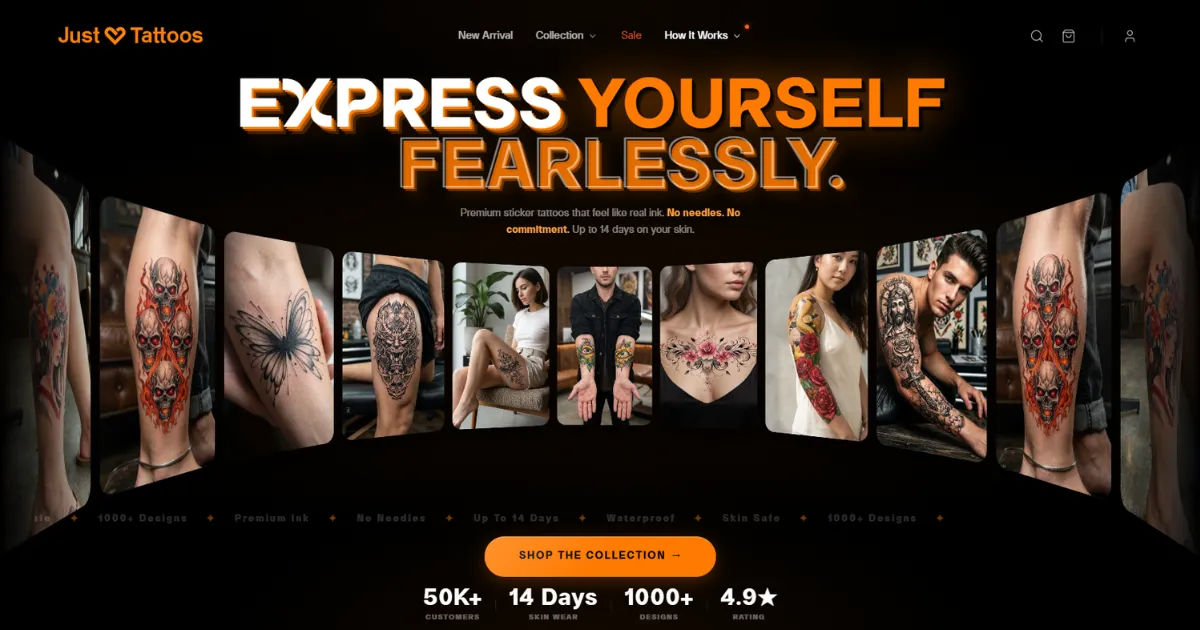
Many people carefully consider where to place a spiritual tattoo because the body can become a canvas for expressing emotions, memories, and values. Some prefer hidden areas that feel private and sacred, while others choose visible placements that allow them to share their beliefs with the world. The ideal location depends on your lifestyle, the symbolism of the design, and the message you want your tattoo to communicate.
The Meaning Behind Placement
The location of a tattoo can add another layer of meaning. Different areas of the body have different cultural and personal associations. For example, the heart area is often connected with love and emotions, while the hands can symbolize action, connection, and energy.
A spiritual tattoo often carries deep personal significance, so placement should be selected thoughtfully. The right location can make the design feel more connected to your identity and your spiritual journey.
Before deciding on placement, consider what the tattoo represents. A symbol related to protection may feel meaningful on an area you associate with strength, while a design representing peace or meditation may suit a calm and private location.
Popular Places to Place a Spiritual Tattoo
Forearm Placement
The forearm is one of the most popular areas for a spiritual tattoo. It provides enough space for detailed artwork while allowing easy visibility. This placement works well for symbols, quotes, mandalas, religious imagery, and nature-inspired designs.
A forearm tattoo can serve as a daily reminder of personal beliefs and values. Because you can easily see it throughout the day, it may help you stay connected with your intentions and spiritual goals.
The forearm is also a practical choice because it offers a balance between personal expression and professional flexibility. Many people choose this area because it allows them to display their artwork when they want while covering it when necessary.
Upper Arm and Shoulder
The upper arm and shoulder are excellent options for those who want a larger and more detailed design. These areas provide a broad surface for creative artwork and can accommodate complex spiritual symbols.
A spiritual tattoo placed on the shoulder may represent strength, responsibility, or carrying an important belief with you. Many people feel that this placement gives their tattoo a powerful presence without making it immediately visible.
The shoulder area is also suitable for designs that extend toward the chest, back, or arm, creating a larger artistic composition.
Chest Placement
The chest is often considered one of the most meaningful locations for a spiritual tattoo because it is close to the heart. Many people choose this area for designs connected with love, faith, devotion, and emotional transformation.
A tattoo near the heart can represent something deeply personal that a person carries within themselves. This placement is often selected for symbols that have strong emotional or spiritual importance.
Because chest tattoos can be easily covered, they are also a popular choice for individuals who want a meaningful design that remains private.
Back Placement
The back provides a large canvas for creative and detailed spiritual artwork. It is a suitable choice for people who want a significant design with deeper symbolism.
A spiritual tattoo on the back can represent inner strength, protection, or a personal journey. Since the back is not constantly visible, many people view it as a private space for something meaningful.
Large spiritual designs such as wings, sacred geometry, spiritual landscapes, or symbolic artwork often work well on this area.
Wrist Placement
The wrist is a small but powerful location for a spiritual tattoo. It is ideal for simple symbols, short words, or minimal designs.
Because the wrist is easily visible, it can act as a personal reminder throughout daily life. Many people choose this placement for tattoos representing mindfulness, motivation, gratitude, or personal beliefs.
However, wrist tattoos may require more consideration because they are difficult to hide in some professional settings.
Ankle and Foot Placement
The ankle and foot are popular choices for people who want a more subtle tattoo. These locations can feel personal and connected to movement, balance, and life direction.
A spiritual tattoo on the ankle may symbolize progress, grounding, or staying connected with one’s path. The foot can represent the journey a person takes through life.
These areas are especially suitable for smaller designs that carry personal meaning.
Choosing Placement Based on Symbolism
The meaning behind your design should influence where you place it. A tattoo is not only about appearance; it is also about how the placement feels to you.
For example, symbols connected with protection may be placed on areas that feel strong or supportive. Designs representing love or emotional connection may feel more suitable near the chest or upper body.
A spiritual tattoo can become more meaningful when the location matches the message behind the artwork. Think about how you want the tattoo to interact with your body and your personal story.
Visible vs Hidden Placement
One of the biggest decisions is whether you want your tattoo to be visible or private. Both options have advantages.
Visible placements allow you to openly express your beliefs and creativity. They can also encourage conversations with others who appreciate similar ideas.
Hidden placements offer a more personal experience. Some people prefer their spiritual symbols to be something they see only for themselves rather than something displayed publicly.
Consider your career, lifestyle, family expectations, and personal comfort before choosing a visible location. A meaningful tattoo should make you feel confident and comfortable.
Considering Pain Levels and Healing
Pain is another factor when choosing tattoo placement. Different areas of the body have different levels of sensitivity.
Areas with more muscle, such as the upper arm, are often considered easier for many people. Locations with thinner skin or closer proximity to bones may feel more uncomfortable.
Healing time can also vary depending on placement. Areas that experience frequent movement or friction may require extra care during recovery.
Before getting a spiritual tattoo, discuss placement with your tattoo artist. An experienced artist can provide advice about how the design will fit the chosen area and how to care for it properly.
Matching the Design Size With the Location
The size of your tattoo should work naturally with the body area you choose. Small symbols may look better on the wrist, ankle, or behind the ear, while larger artwork may require the arm, back, or chest.
A detailed spiritual tattoo needs enough space for the design to remain clear over time. Placing a complex image in a very small area may cause details to blend together as the tattoo ages.
Work with your tattoo artist to create a design that fits both your vision and the natural shape of your body.
Cultural and Personal Respect
Many spiritual symbols have deep cultural or religious meanings. Before choosing a design and placement, it is important to understand its background and significance.
A spiritual tattoo should be approached with respect, especially when using symbols connected to specific traditions or communities.
Learning about the history and meaning behind your chosen symbol can make the tattoo experience more meaningful and help you create a design that reflects genuine appreciation.
How to Decide the Best Placement
Choosing the perfect location does not need to be rushed. Take time to think about your reasons for getting the tattoo and how you want it to fit into your life.
Ask yourself questions such as:
-
Do I want this tattoo to be private or visible?
-
Does the placement match the meaning of the design?
-
Will this location fit my lifestyle?
-
Does the size of the tattoo work well in this area?
-
Will I still appreciate this placement years from now?
A thoughtful decision can help ensure that your tattoo remains meaningful for many years.
Working With a Professional Tattoo Artist
A skilled tattoo artist can help transform your idea into a design that fits your chosen placement. They understand body shapes, proportions, and how artwork changes with movement.
Discuss your ideas openly with your artist. Share the meaning behind your spiritual tattoo so they can create something that represents your intentions.
Professional advice can help you avoid placement mistakes and ensure that the final result looks balanced and beautiful.
Conclusion
Choosing where to place a spiritual tattoo is a deeply personal decision that combines artistic preference, symbolism, comfort, and lifestyle considerations. The right placement can enhance the meaning of the design and create a stronger connection between the tattoo and your personal journey.
Whether you choose your forearm, chest, shoulder, back, wrist, or another meaningful location, the most important factor is that the placement feels right for you. A tattoo should represent something valuable and continue to inspire you over time.
The best spiritual tattoo placement is not simply the most popular location or the trendiest choice. It is the place where your design feels connected to your identity, beliefs, and experiences. By considering symbolism, visibility, size, healing, and personal comfort, you can choose a location that makes your tattoo a meaningful expression of who you are.