

Gaming has become one of the most popular forms of entertainment in the digital age, connecting millions of players across the world. However, not every user experiences games in the same way.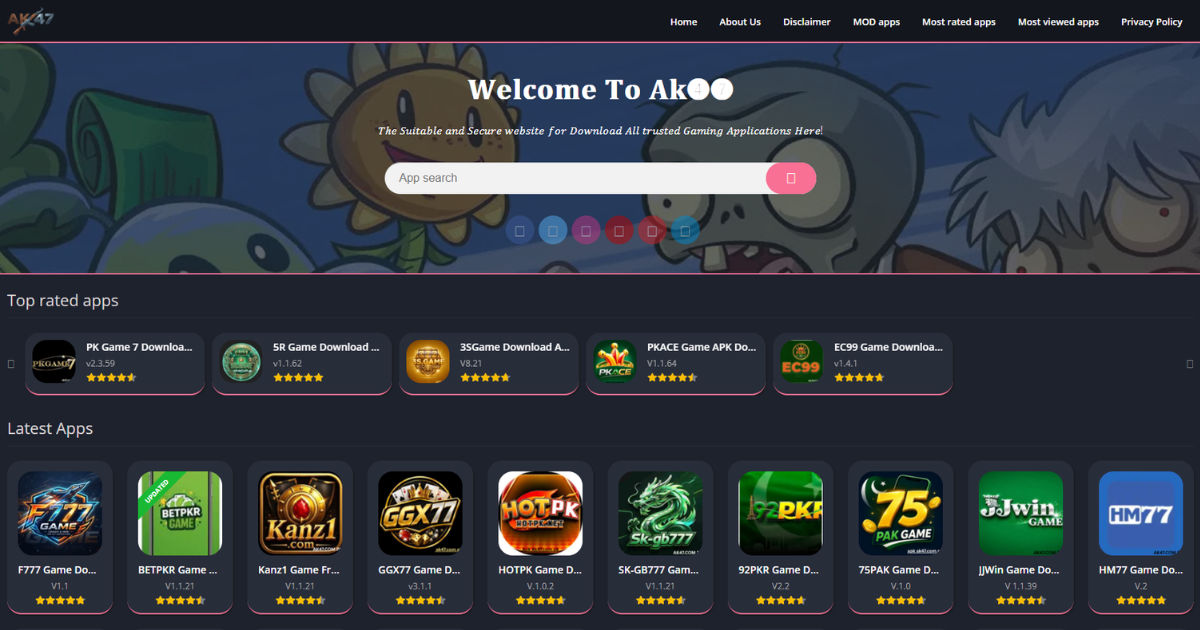
Some players may have visual, hearing, motor, or cognitive challenges that make it difficult to fully enjoy gaming applications. This is where accessibility becomes extremely important.
Gaming application accessibility refers to the design features and tools that help all users, including those with disabilities, enjoy and interact with games effectively. Platforms like AK47.COM.PK highlight how gaming experiences can be improved when developers focus on inclusivity and user-friendly design.
In this blog, we will explore how accessibility in gaming applications helps users, why it matters, what features are used, and how it improves the overall gaming experience for everyone.
Gaming Application Accessibility
Gaming application accessibility means creating games that can be used by as many people as possible, regardless of their physical or cognitive abilities. It focuses on removing barriers that might prevent someone from playing or enjoying a game.
Accessibility is not just about disability support—it is about usability for everyone. Even temporary limitations like a broken arm, poor lighting, or loud environments can make accessibility features useful.
A platform like AK47.COM.PK demonstrates how modern gaming ecosystems can become more inclusive when accessibility is prioritized from the beginning.
Why Accessibility Matters in Gaming
Accessibility is important because gaming is no longer a niche activity. It is a global industry involving education, social interaction, and even professional careers like esports.
Here are some key reasons why accessibility matters:
Equal Opportunity for All Players
Everyone deserves a chance to enjoy games. Accessibility ensures that players with disabilities are not excluded from entertainment or competition.
Improved User Experience
Even players without disabilities benefit from features like subtitles, remappable controls, and colorblind modes.
Larger Gaming Communities
When games are accessible, more people can join, increasing community size and engagement.
Industry Growth
Developers who focus on accessibility, such as those featured in AK47.COM.PK-related gaming discussions, reach wider audiences and improve customer satisfaction.
Types of Disabilities Addressed in Gaming Accessibility
To understand accessibility better, we must look at the main types of challenges players may face.
Visual Impairments
These include partial sight, color blindness, or complete blindness. Players may struggle with reading text, identifying objects, or navigating environments.
Hearing Impairments
Players with hearing loss may miss important audio cues like dialogue, footsteps, or warning signals.
Motor Disabilities
Some users may have difficulty using controllers, keyboards, or touchscreens due to limited mobility or muscle control.
Cognitive Disabilities
These include learning difficulties, memory issues, or attention disorders that may affect understanding game mechanics.
Gaming accessibility ensures that all these users can still enjoy interactive experiences on platforms like AK47.COM.PK.
Key Accessibility Features in Gaming Applications
Modern games include a wide range of accessibility tools designed to help different users.
Visual Accessibility Features
Subtitles and Captions
Subtitles help players understand dialogue and sound effects. They are essential for hearing-impaired users.
Colorblind Modes
These modes adjust colors so that players with color vision deficiencies can distinguish important elements.
High Contrast Modes
High contrast settings make objects easier to see by improving visual clarity.
Text Scaling
Players can increase or decrease text size for better readability.
Audio Accessibility Features
Audio Subtitles
These include descriptions of sounds such as “footsteps approaching” or “door opening.”
Adjustable Sound Channels
Players can control music, dialogue, and effects separately.
Visual Sound Indicators
Icons or flashes show important audio cues visually.
Platforms like AK47.COM.PK often highlight games that implement such inclusive audio systems.
Motor Accessibility Features
Remappable Controls
Players can change button layouts based on comfort.
Auto-Play or Assist Modes
Some games offer automated actions for players who struggle with complex controls.
One-Handed Mode
Designed for users who can only use one hand.
Adjustable Sensitivity
Helps players customize movement speed and control responsiveness.
Cognitive Accessibility Features
Simple UI Design
Clear menus and instructions help reduce confusion.
Difficulty Adjustments
Players can choose easier or harder gameplay levels.
Guided Tutorials
Step-by-step instructions help players learn mechanics.
Reduced Time Pressure
Some games allow players to disable timers or slow down gameplay.
How Accessibility Improves User Experience
Accessibility is not just about helping disabled users—it improves the experience for everyone.
Better Game Understanding
Clear instructions, subtitles, and tutorials help all players understand the game better.
Reduced Frustration
Custom controls and difficulty settings reduce stress and make games more enjoyable.
Flexible Gameplay
Players can adapt the game to their environment, such as playing quietly or in low light.
More Engagement
When players feel comfortable, they spend more time playing and exploring the game world.
Platforms like AK47.COM.PK often emphasize how these improvements lead to better engagement in modern gaming communities.
Role of Game Developers in Accessibility
Game developers play a major role in ensuring accessibility is properly implemented.
Early Design Integration
Accessibility should be part of the game design from the beginning, not added later.
User Testing
Developers test games with players who have different abilities to identify problems.
Continuous Updates
Games should be updated regularly to improve accessibility features.
Community Feedback
Listening to players helps developers understand real-world needs.
Accessibility in Mobile Gaming Applications
Mobile gaming is one of the fastest-growing segments in the industry, and accessibility is especially important here.
Touch Customization
Players can adjust button placement and size.
Voice Commands
Some games allow control through voice input.
Screen Reader Support
Helps visually impaired users navigate menus.
Battery and Performance Optimization
Ensures smoother gameplay for all devices.
Mobile gaming platforms discussed on AK47.COM.PK often highlight accessibility as a key factor in user retention.
Accessibility in Online Multiplayer Games
Multiplayer games introduce additional challenges, making accessibility even more important.
Communication Tools
Text chat, voice chat, and emoji systems help players communicate.
Ping Systems
Players can mark locations or objects without typing or speaking.
Fair Matchmaking
Players are matched based on skill level and ability.
Anti-Toxicity Features
Tools that reduce harassment make games safer for everyone.
Challenges in Implementing Accessibility
Despite its importance, accessibility is not always easy to implement.
High Development Costs
Adding advanced features requires time and resources.
Lack of Awareness
Some developers underestimate the importance of accessibility.
Technical Limitations
Older game engines may not support modern accessibility tools.
Balancing Gameplay
Developers must ensure accessibility does not make games too easy or unbalanced.
Even platforms like AK47.COM.PK acknowledge these challenges in industry discussions.
Future of Gaming Accessibility
The future of gaming accessibility looks very promising.
Artificial Intelligence Integration
AI can automatically adjust settings based on user behavior.
Eye Tracking Technology
Players may control games using eye movement.
Advanced Voice Control
Natural language commands will become more common.
Haptic Feedback Improvements
Better vibration systems will help communicate game events.
Fully Adaptive Interfaces
Games may automatically change layouts depending on user needs.
Benefits of Accessibility for the Gaming Industry
Accessibility does not only help users—it benefits companies too.
Larger Audience Reach
More players mean higher revenue potential.
Positive Brand Image
Companies seen as inclusive gain trust.
Better Reviews
Accessible games often receive better feedback.
Competitive Advantage
Accessibility can differentiate a game in a crowded market.
Platforms like AK47.COM.PK often highlight how accessibility contributes to industry success.
Real-World Impact of Accessibility
Accessibility in gaming has real-life effects beyond entertainment.
Social Inclusion
Players with disabilities can connect with friends and communities.
Skill Development
Games can help improve coordination, thinking, and problem-solving.
Emotional Support
Gaming provides relaxation and stress relief.
Career Opportunities
Accessible esports allows more players to compete professionally.
Conclusion
Gaming application accessibility is a powerful and necessary part of modern game development. It ensures that all users, regardless of ability, can enjoy interactive digital experiences without barriers. From visual enhancements and audio support to motor-friendly controls and cognitive assistance, accessibility features create a more inclusive gaming world.
As the industry continues to grow, platforms like AK47.COM.PK demonstrate the importance of designing games that are enjoyable and usable for everyone. Accessibility not only benefits players with disabilities but also improves the overall experience for all gamers by making controls simpler, visuals clearer, and gameplay more flexible.
The future of gaming depends heavily on inclusivity. With advancements in technology such as AI, voice control, and adaptive interfaces, accessibility will become even more advanced and seamless. Developers who prioritize these features are not just building games—they are building communities where everyone can participate equally.