

If you are asking, "How do I scrap my car legally?", you are not alone. Many vehicle owners reach a point where repairs become too expensive, the car is no longer safe to drive, or it has simply reached the end of its lifespan. At that stage, deciding to scrap my car can be the most practical and environmentally responsible choice.
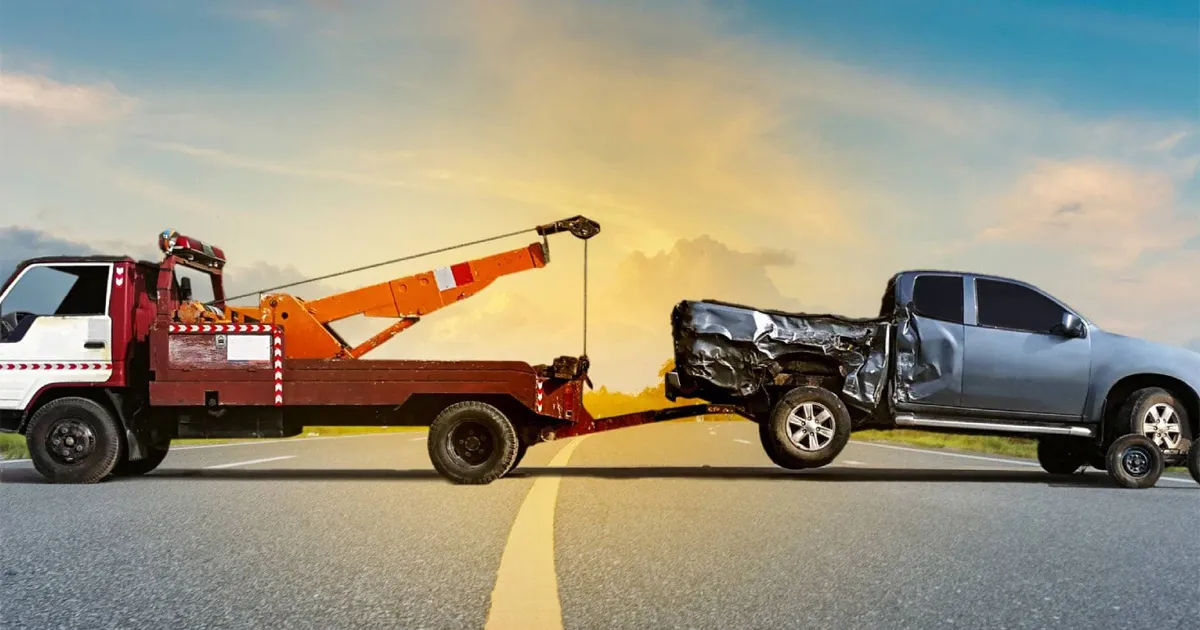
However, scrapping a vehicle involves more than handing over the keys. There are legal steps you should follow to protect yourself from future liabilities, avoid fines, and ensure your vehicle is disposed of responsibly.
Understanding the process before you scrap my car helps you receive a fair price, complete the required paperwork, and make sure your vehicle is recycled according to local regulations.This comprehensive guide explains everything you need to know, from preparing your vehicle and gathering documents to selecting an authorized recycling facility and completing ownership transfer legally.
Why People Decide to Scrap Their Cars
Every vehicle eventually reaches a point where keeping it on the road is no longer worthwhile. While regular maintenance can extend a car's life, there comes a time when replacement becomes more economical than repairs.
Common reasons include:
-
Severe accident damage
-
Engine or transmission failure
-
Rust affecting structural safety
-
High repair costs
-
Failed emissions tests
-
Flood or fire damage
-
Old vehicles with little resale value
Instead of leaving an unwanted vehicle sitting in your driveway, choosing to scrap my car allows valuable materials to be recovered and reused.
What Does It Mean to Scrap a Car?
Scrapping a car means permanently removing it from use and sending it to an authorized recycling or dismantling facility. Professionals inspect the vehicle, remove hazardous materials, recover reusable parts, recycle metals, and safely dispose of waste.
The goal is to maximize recycling while minimizing environmental impact.
Modern vehicle recycling facilities recover:
-
Steel
-
Aluminum
-
Copper
-
Plastics
-
Glass
-
Rubber
-
Batteries
-
Engine components
-
Catalytic converters
When Is the Right Time to Scrap Your Car?
Not every old vehicle should be scrapped immediately. Sometimes repairs still make financial sense.
Consider scrapping your vehicle if:
Repair Costs Exceed Vehicle Value
If repairs cost more than the car is worth, replacement often becomes the smarter option.
The Vehicle Is Unsafe
Major structural damage, corrosion, or mechanical failure may make repairs impractical.
Registration Problems
Some older vehicles become difficult or expensive to register due to changing safety or emissions regulations.
Insurance Write-Off
Insurance companies often declare heavily damaged vehicles as total losses.
Understand Your Local Legal Requirements
Before you scrap my car, research your country's or state's regulations.
Legal requirements often include:
-
Proof of ownership
-
Government-issued identification
-
Vehicle registration
-
License plates removal
-
Ownership transfer forms
-
Vehicle cancellation notice
Every jurisdiction has slightly different procedures, so following local regulations is essential.
Gather the Required Documents
Having paperwork ready speeds up the process.
Typical documents include:
Vehicle Title
The title proves ownership.
Registration Certificate
Shows current registration details.
Identification
Government-issued photo ID.
Service Records
Optional but useful for confirming vehicle history.
Loan Release
If financed previously, ensure all loans have been paid.
Remove Personal Belongings
Many owners forget how many personal items accumulate inside a vehicle.
Check:
-
Glove compartment
-
Door pockets
-
Under seats
-
Center console
-
Trunk
-
Spare tire compartment
-
Roof storage
Look carefully for:
-
Identification
-
Credit cards
-
Electronics
-
Chargers
-
Garage remotes
-
Sunglasses
-
Clothing
-
Documents
Remove Valuable Accessories
Before choosing to scrap my car, remove accessories that may still have resale value.
Examples include:
-
GPS units
-
Dash cameras
-
Premium stereos
-
Phone mounts
-
Seat covers
-
Roof racks
-
Custom wheels
-
Toolboxes
Always confirm which items may legally be removed before delivery.
Cancel Insurance
Once ownership transfers legally, notify your insurance company.
Benefits include:
-
Avoid unnecessary premiums
-
Prevent future liability
-
Receive possible refunds
-
Update your insurance records
Notify Registration Authorities
Many governments require official notification that the vehicle has been scrapped.
This prevents:
-
Parking fines
-
Toll violations
-
Registration renewals
-
Tax obligations
Failing to report disposal could leave the former owner legally responsible.
Choose an Authorized Scrap Yard
Selecting a licensed recycler protects both your finances and legal interests.
Look for facilities that:
-
Hold proper licenses
-
Follow environmental regulations
-
Provide written receipts
-
Handle ownership transfer correctly
-
Recycle responsibly
Avoid selling vehicles to unauthorized buyers offering cash without documentation.
Ask for a Written Quote
Different recycling companies calculate vehicle value differently.
Factors include:
Vehicle Weight
Steel and aluminum contribute significantly to value.
Condition
Cars with reusable components usually earn more.
Current Metal Prices
Scrap metal prices fluctuate regularly.
Parts Demand
Popular models often contain valuable reusable parts.
Compare multiple quotes before deciding where to scrap my car.
Understand How Vehicle Value Is Calculated
Pricing depends on several factors.
Metal Recovery
Most value comes from recyclable metals.
Working Components
Engines, transmissions, alternators, starters, and wheels may increase value.
Catalytic Converter
Catalytic converters often contain precious metals.
Battery
Modern batteries may have recycling value.
Remove the License Plates
Some regions require owners to remove license plates before disposal.
Depending on local regulations, plates may need to be:
-
Returned
-
Destroyed
-
Transferred
-
Kept as proof
Always verify local requirements.
Drain Fluids Safely
Most authorized facilities handle fluid removal themselves.
These include:
-
Engine oil
-
Brake fluid
-
Transmission fluid
-
Coolant
-
Fuel
-
Air conditioning refrigerant
Improper disposal can seriously harm the environment.
Understand the Recycling Process
After you scrap my car, professionals begin dismantling.
Typical process includes:
Inspection
Vehicles are checked for reusable parts.
Hazardous Material Removal
Fluids and batteries are safely removed.
Parts Recovery
Reusable components are tested and stored.
Crushing
The remaining shell is crushed.
Metal Separation
Powerful magnets separate steel from other materials.
Manufacturing
Recovered metals become raw materials for new products.
Environmental Benefits of Scrapping Cars
Vehicle recycling significantly reduces environmental impact.
Benefits include:
-
Conserves natural resources
-
Reduces landfill waste
-
Saves manufacturing energy
-
Lowers mining demand
-
Reduces greenhouse gas emissions
Nearly every vehicle contains recyclable materials.
Common Mistakes to Avoid
Many owners unknowingly make mistakes when disposing of vehicles.
Avoid these errors.
Forgetting Paperwork
Incomplete documents delay ownership transfer.
Leaving Personal Information
Always remove paperwork containing personal details.
Accepting the First Offer
Comparing multiple quotes often results in better payment.
Selling Without Documentation
Always receive written confirmation.
Ignoring Local Laws
Legal requirements differ between regions.
Can You Scrap a Car Without a Title?
Some jurisdictions allow it under specific conditions.
Alternative documents may include:
-
Registration
-
Bill of sale
-
Government identification
-
Affidavit of ownership
Requirements vary significantly.
What Happens to Usable Parts?
Many components receive a second life.
Common reusable parts include:
-
Engines
-
Doors
-
Mirrors
-
Headlights
-
Alternators
-
Wheels
-
Seats
-
Suspension components
-
Air conditioning compressors
Reusing parts reduces manufacturing waste.
How Long Does the Process Take?
Most legal vehicle recycling takes only one day after paperwork is completed.
Typical timeline:
-
Quote request
-
Vehicle inspection
-
Ownership verification
-
Payment
-
Collection or delivery
-
Recycling
The paperwork may require additional processing depending on local authorities.
Questions to Ask Before Choosing a Recycler
Before deciding where to scrap my car, ask:
-
Are you licensed?
-
Do you provide proof of disposal?
-
How is payment made?
-
Is towing included?
-
Will ownership be transferred immediately?
-
Do you recycle responsibly?
Reliable businesses answer these questions clearly.
Tips for Getting the Best Value
You can maximize your return by following a few practical steps.
-
Compare several quotes.
-
Provide accurate vehicle details.
-
Include maintenance history if available.
-
Remove personal belongings only.
-
Keep ownership documents ready.
-
Choose reputable recyclers.
Safety Tips Before Handing Over Your Vehicle
Protect yourself throughout the process.
Remember to:
-
Photograph the vehicle.
-
Record mileage.
-
Keep copies of documents.
-
Remove electronic accounts connected to the car.
-
Erase navigation history.
-
Delete Bluetooth devices.
These steps protect your personal information.
Why Legal Scrapping Matters
Following legal procedures protects you from future issues.
Proper disposal ensures:
-
Ownership officially ends.
-
Environmental laws are followed.
-
Personal liability is removed.
-
Recycling standards are maintained.
-
Hazardous waste is managed safely.
Ignoring legal requirements can create unnecessary complications later.
Frequently Asked Questions
Can I scrap a non-running vehicle?
Yes. Most authorized recyclers accept vehicles that no longer start.
Will I receive payment immediately?
Many companies provide payment when ownership documents are verified.
Do I need to clean my car first?
Cleaning is optional, but removing personal belongings is strongly recommended.
Can someone else scrap my vehicle?
Usually only with proper authorization and legal documentation.
Is towing available?
Many licensed recyclers offer vehicle collection services.
Conclusion
If you have been wondering, "How do I scrap my car legally?", the answer is simple: follow the correct legal process, prepare your paperwork, choose an authorized recycling facility, and complete the ownership transfer properly. Taking these steps protects you from future legal or financial problems while ensuring your vehicle is recycled responsibly.
When you decide to scrap my car, remember that the process involves much more than disposing of an old vehicle. It is an opportunity to recover valuable materials, reduce environmental waste, and contribute to sustainable manufacturing. By selecting a reputable recycler, comparing quotes, removing personal belongings, and understanding your local regulations, you can complete the process confidently and legally.
Whether your vehicle has reached the end of its life due to age, accident damage, or costly repairs, responsible recycling is the safest and smartest option. A well-informed decision today ensures peace of mind tomorrow while helping create a cleaner and more sustainable future.