The hemp industry has changed rapidly over the last few years. Products that once focused mainly on wellness and relaxation are now being discussed in state legislatures, health departments, and federal agencies.
One major reason is the growing popularity of intoxicating hemp products. Items such as gummies, vape cartridges, and disposable devices are now widely available online and in retail stores.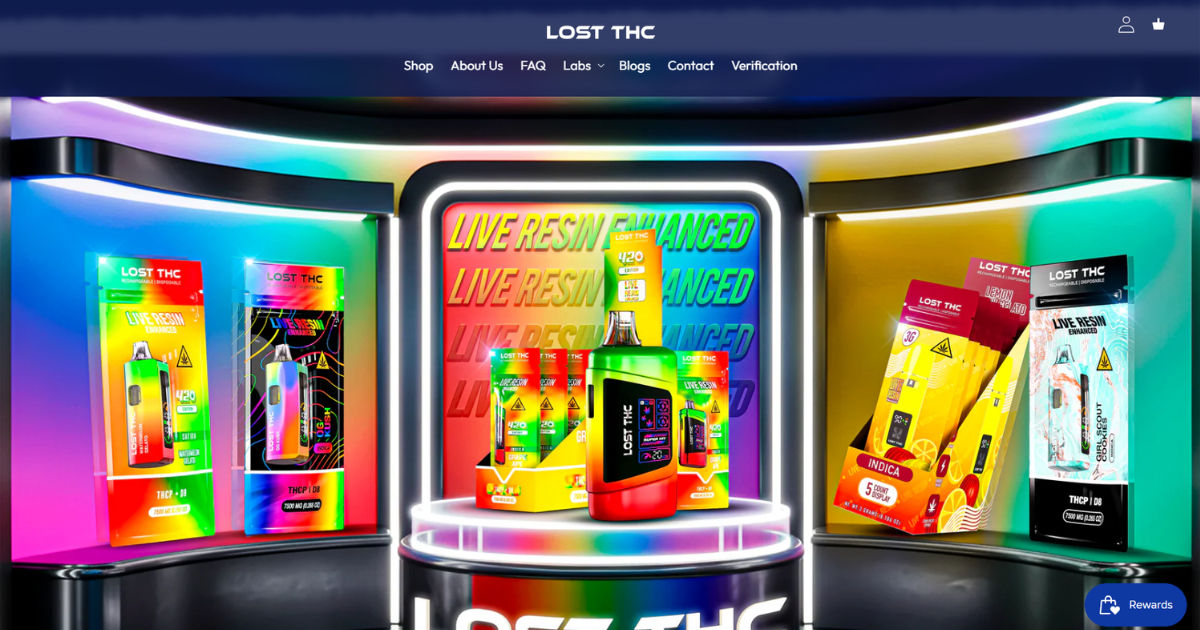
Among the products attracting attention is the Lost THC V3 7.5 Gram Live Resin Blend Disposable, which has become part of the larger conversation about hemp-derived cannabinoids and consumer access.
The debate surrounding intoxicating hemp products is complex. Supporters believe these products offer adults legal alternatives and new opportunities within the hemp market.
Critics argue that some hemp-derived intoxicants are being sold without proper oversight, testing, or age restrictions. Regulators are now trying to decide how to manage these products while balancing public safety, business growth, and consumer demand.
The Lost THC V3 7.5 Gram Live Resin Blend Disposable is often mentioned in discussions about modern hemp innovation because products like it represent the expanding category of hemp-derived cannabinoid devices.
As these products continue to grow in popularity, lawmakers and industry experts are asking important questions about legality, safety, labeling, potency, and marketing.
This guide explains why intoxicating hemp products are under debate, how regulations are evolving, and what consumers and businesses should understand moving forward.
Intoxicating Hemp Products
Intoxicating hemp products are hemp-derived items that can create psychoactive effects. These products are typically made using cannabinoids extracted or converted from hemp plants. Although hemp and marijuana come from the same cannabis family, hemp is legally defined in the United States as cannabis containing less than 0.3% Delta-9 THC by dry weight.
However, manufacturers discovered that other cannabinoids could also produce intoxicating effects. This opened the door for products containing Delta-8 THC, Delta-10 THC, THC-O, HHC, and other compounds.
The Lost THC V3 7.5 Gram Live Resin Blend Disposable is an example of how hemp companies have developed products using advanced cannabinoid blends. These products are often marketed as legal hemp alternatives that deliver strong effects.
Many consumers are interested in these products because they are accessible and available in many states where traditional cannabis products may still be restricted.
The 2018 Farm Bill and Its Impact
One of the biggest reasons intoxicating hemp products became popular is the 2018 Farm Bill. This law legalized hemp cultivation at the federal level in the United States.
The law focused mainly on Delta-9 THC levels. As long as hemp products contained less than 0.3% Delta-9 THC by dry weight, they could qualify as legal hemp.
This created a legal gray area.
Manufacturers began producing hemp-derived cannabinoids from CBD extracted from hemp plants. These cannabinoids were then added to edibles, vape devices, tinctures, and concentrates.
Products like the Lost THC V3 7.5 Gram Live Resin Blend Disposable emerged during this period of rapid industry growth.
Regulators soon realized the law did not clearly address many newly developed cannabinoids.
As a result, states began creating their own rules.
Why Regulators Are Concerned
Regulators are debating intoxicating hemp products for several important reasons.
Public Health Concerns
One major concern is consumer safety.
Some hemp products are sold without strict laboratory testing requirements. Regulators worry that contaminated or improperly manufactured products could reach consumers.
The Lost THC V3 7.5 Gram Live Resin Blend Disposable and similar products highlight the importance of quality control because vape products require careful manufacturing standards.
Health officials want clear testing for:
- Heavy metals
- Pesticides
- Residual solvents
- Potency accuracy
- Contaminants
Without consistent oversight, regulators fear unsafe products could enter the market.
Youth Access
Another concern is youth access.
Many intoxicating hemp products are sold in colorful packaging or flavored varieties. Critics argue these products may appeal to underage consumers.
Some states are considering stricter packaging requirements and stronger age verification systems.
The Lost THC V3 7.5 Gram Live Resin Blend Disposable and other disposable vape devices are part of these discussions because portable vaping products are especially popular among younger adults.
Lack of Federal Oversight
The federal government has not yet created a complete regulatory framework for intoxicating hemp products.
This means states often create different rules.
In one state, a product may be legal.
In another, the same product may be restricted or banned.
This creates confusion for businesses and consumers.
The Lost THC V3 7.5 Gram Live Resin Blend Disposable exists within this changing legal landscape, where regulations can vary dramatically from one region to another.
The Rise of Hemp-Derived Cannabinoids
The hemp industry has expanded far beyond CBD.
Today, companies produce a wide range of cannabinoids that offer different effects and experiences.
Some cannabinoids are naturally present in small amounts within hemp plants.
Others are created through chemical conversion processes.
The Lost THC V3 7.5 Gram Live Resin Blend Disposable represents the growing popularity of cannabinoid blends designed to provide stronger and more customized effects.
Consumers are increasingly interested in products that combine cannabinoids with live resin extracts, terpene profiles, and high-potency formulas.
This innovation has fueled industry growth but also increased regulatory attention.
What Makes Regulators Nervous About Synthetic Conversion?
One of the biggest debates involves how certain cannabinoids are produced.
Some intoxicating cannabinoids are not extracted directly in large amounts from hemp plants.
Instead, they are chemically converted from CBD.
Regulators worry about:
- Unsafe manufacturing practices
- Chemical residues
- Inconsistent formulations
- Lack of transparency
The Lost THC V3 7.5 Gram Live Resin Blend Disposable and similar products often contain advanced cannabinoid blends, making regulators question how ingredients are sourced and processed.
Supporters of the industry argue that proper lab testing and transparent manufacturing can solve many of these concerns.
Critics believe stronger government oversight is still necessary.
State-by-State Legal Battles
One reason intoxicating hemp products remain controversial is the inconsistent legal environment.
Some states fully allow hemp-derived intoxicating products.
Others heavily regulate them.
Some states ban certain cannabinoids completely.
This patchwork system creates confusion.
For example, a consumer may legally purchase a Lost THC V3 7.5 Gram Live Resin Blend Disposable in one state but face restrictions in another.
Businesses also struggle because laws can change quickly.
Retailers must constantly monitor state regulations to remain compliant.
Economic Importance of the Hemp Industry
Despite the controversy, the hemp industry contributes billions of dollars to the economy.
Farmers, manufacturers, distributors, retailers, and online sellers all benefit from hemp product sales.
Products like the Lost THC V3 7.5 Gram Live Resin Blend Disposable are part of a rapidly growing consumer market.
Industry advocates argue that overregulation could hurt small businesses and reduce economic opportunities.
They believe sensible regulations should focus on:
- Product safety
- Accurate labeling
- Age restrictions
- Responsible marketing
rather than banning products entirely.
Consumer Demand Is Growing
Consumer demand is another major factor influencing the debate.
Many adults seek alternatives to traditional cannabis products.
Others live in areas where recreational marijuana remains illegal.
Hemp-derived intoxicating products offer an accessible option.
The Lost THC V3 7.5 Gram Live Resin Blend Disposable appeals to consumers looking for convenience, portability, and potent cannabinoid experiences.
As demand increases, regulators face pressure to balance public safety with market freedom.
The Role of Vape Products in the Debate
Vape products are at the center of many regulatory discussions.
Disposable vape devices are especially popular because they are easy to use and discreet.
The Lost THC V3 7.5 Gram Live Resin Blend Disposable reflects this trend.
Regulators are evaluating:
- Ingredient safety
- Device quality
- Label accuracy
- Flavor restrictions
- Marketing practices
Some health experts worry that poorly manufactured vape products could create health risks.
Others argue that regulated vape products may offer safer alternatives compared to unregulated black-market products.
Packaging and Labeling Concerns
Another major issue is labeling transparency.
Consumers need clear information about:
- Cannabinoid content
- Serving size
- Potency
- Ingredients
- Usage warnings
Some regulators believe hemp products currently lack consistent labeling standards.
The Lost THC V3 7.5 Gram Live Resin Blend Disposable and similar products are part of broader conversations about how companies should communicate product information.
Clear labeling helps consumers make informed decisions and reduces accidental overconsumption.
Testing and Laboratory Standards
Testing standards are one of the most important regulatory issues.
Reliable laboratory testing can help ensure products are safe and accurately labeled.
Many industry experts support mandatory third-party testing.
The Lost THC V3 7.5 Gram Live Resin Blend Disposable and other hemp-derived products may undergo testing for:
- Potency verification
- Residual solvents
- Heavy metals
- Microbial contamination
- Pesticides
However, testing requirements vary by state.
Some regulators want national standards to improve consistency across the industry.
The Debate Over Marketing Practices
Marketing practices are also under scrutiny.
Critics argue some intoxicating hemp products use branding or flavors that could attract younger audiences.
Regulators are considering restrictions on:
- Cartoon imagery
- Candy-like packaging
- Social media advertising
- Youth-oriented flavor names
The Lost THC V3 7.5 Gram Live Resin Blend Disposable exists within this evolving marketing environment where companies must carefully balance branding and compliance.
Law Enforcement Challenges
Law enforcement agencies also face difficulties.
Many intoxicating hemp products closely resemble marijuana products.
This creates challenges for roadside testing and legal enforcement.
The Lost THC V3 7.5 Gram Live Resin Blend Disposable and similar products may contain cannabinoids that produce psychoactive effects while technically remaining hemp-derived.
This complicates enforcement efforts.
Officials are still working to determine how these products should be classified under existing laws.
Scientific Research Is Still Developing
Another reason regulators are debating intoxicating hemp products is the limited amount of long-term research.
Scientists are still studying the effects of many newer cannabinoids.
Research gaps make it harder for regulators to create evidence-based policies.
The Lost THC V3 7.5 Gram Live Resin Blend Disposable represents a modern category of hemp products that emerged faster than scientific research could fully evaluate.
As more studies become available, regulations may continue evolving.
Industry Advocates Want Balanced Regulation
Many hemp industry leaders support reasonable regulation rather than prohibition.
They argue that banning intoxicating hemp products could:
- Push consumers toward unregulated markets
- Hurt legitimate businesses
- Reduce consumer safety
- Limit innovation
Advocates believe products like the Lost THC V3 7.5 Gram Live Resin Blend Disposable can exist responsibly within a regulated market.
They support:
- Age verification
- Testing requirements
- Licensing systems
- Product tracking
- Labeling standards
The FDA’s Role in the Conversation
The U.S. Food and Drug Administration has been involved in discussions about hemp-derived cannabinoids.
However, the FDA has not yet established a complete framework for intoxicating hemp products.
This lack of federal guidance contributes to uncertainty.
Products such as the Lost THC V3 7.5 Gram Live Resin Blend Disposable remain part of an industry waiting for clearer national regulations.
Many businesses want federal rules because consistent standards could improve market stability.
How Consumers Can Stay Safe
Consumers should approach intoxicating hemp products carefully.
Before purchasing products like the Lost THC V3 7.5 Gram Live Resin Blend Disposable, consumers should:
- Review laboratory testing results
- Purchase from reputable companies
- Read ingredient information
- Understand cannabinoid potency
- Follow recommended usage guidelines
Education is important.
Many consumers are unfamiliar with the strength of certain hemp-derived cannabinoids.
Responsible use and informed purchasing decisions can help reduce risks.
International Perspectives on Hemp Regulation
The debate over intoxicating hemp products is not limited to the United States.
Countries around the world are evaluating how to regulate cannabinoids.
Some nations maintain strict cannabis restrictions.
Others allow broader hemp markets.
Products like the Lost THC V3 7.5 Gram Live Resin Blend Disposable reflect a global trend toward innovative cannabinoid products.
International regulations may continue changing as governments study economic opportunities and public health concerns.
The Future of Intoxicating Hemp Products
The future of intoxicating hemp products will likely depend on regulation.
Several outcomes are possible.
Some states may introduce stricter oversight.
Others may integrate hemp-derived intoxicants into existing cannabis systems.
Federal lawmakers may eventually revise hemp laws to clarify cannabinoid definitions.
The Lost THC V3 7.5 Gram Live Resin Blend Disposable and similar products will continue shaping conversations about the future of hemp commerce.
Industry growth is expected to continue, but regulations will likely become more detailed and structured.
How Technology Is Changing the Hemp Industry
Technology has played a major role in the rise of intoxicating hemp products.
Advanced extraction methods, cannabinoid isolation techniques, and formulation technology have allowed companies to create highly specialized products.
The Lost THC V3 7.5 Gram Live Resin Blend Disposable demonstrates how modern manufacturing can combine cannabinoids, terpenes, and live resin blends into compact disposable devices.
This level of innovation excites consumers and businesses.
At the same time, regulators worry that technology is advancing faster than laws can adapt.
As cannabinoid science evolves, lawmakers may need to continuously update regulations to keep pace with new products.
Retail Challenges and Compliance Issues
Retailers face major challenges when selling intoxicating hemp products.
Store owners must stay informed about changing laws, testing requirements, and age restrictions.
The Lost THC V3 7.5 Gram Live Resin Blend Disposable may be legal in certain jurisdictions while restricted in others.
This creates operational difficulties for businesses selling products across state lines.
Retailers must also ensure employees understand product information so they can educate consumers responsibly.
Compliance training is becoming increasingly important within the hemp industry.
Social Attitudes Toward Hemp Products
Public opinion about hemp products continues to evolve.
Some people view intoxicating hemp products as legitimate adult-use alternatives.
Others worry about safety, accessibility, and regulation.
The Lost THC V3 7.5 Gram Live Resin Blend Disposable represents a broader cultural shift in how cannabinoid products are perceived.
Younger consumers are often more accepting of hemp-derived products, while some older generations remain cautious.
These changing social attitudes influence political decisions and regulatory debates.
Environmental Considerations
The hemp industry also raises environmental questions.
Hemp cultivation is often promoted as more sustainable than some traditional agricultural crops.
However, disposable vape products create concerns about electronic waste.
The Lost THC V3 7.5 Gram Live Resin Blend Disposable is part of ongoing conversations about sustainability and product disposal.
Regulators and manufacturers may eventually focus more on recycling programs and environmentally friendly packaging.
As consumers become more environmentally conscious, sustainability could become a larger part of the regulatory discussion.
The Importance of Education
Education is one of the most important tools in the hemp industry.
Consumers, retailers, healthcare professionals, and lawmakers all need accurate information.
The Lost THC V3 7.5 Gram Live Resin Blend Disposable and similar products contain cannabinoids that many consumers may not fully understand.
Educational efforts can help explain:
- Product effects
- Safe usage
- Potency differences
- Legal status
- Responsible storage
Better education may reduce confusion and support safer consumer behavior.
Why the Debate Will Continue
The debate surrounding intoxicating hemp products is unlikely to disappear anytime soon.
Several factors continue driving discussion:
- Rapid market growth
- Consumer demand
- Scientific uncertainty
- State-by-state legal differences
- Public health concerns
- Economic opportunities
The Lost THC V3 7.5 Gram Live Resin Blend Disposable represents the type of innovative product that keeps regulators, businesses, and consumers engaged in ongoing conversations.
As the industry expands, lawmakers will continue searching for balanced solutions.
Conclusion
Intoxicating hemp products have become one of the most debated topics in the modern hemp industry. What started as a legal hemp market focused mainly on CBD has evolved into a fast-growing industry filled with potent cannabinoids, advanced formulations, and innovative products.
The Lost THC V3 7.5 Gram Live Resin Blend Disposable is part of this larger transformation. Products like it highlight both the opportunities and challenges facing the hemp market today.
Supporters argue that intoxicating hemp products offer consumers legal alternatives, business growth, and innovation. Critics believe stronger oversight is necessary to address safety concerns, youth access, manufacturing standards, and legal confusion.
Regulators now face the difficult task of balancing consumer freedom with public health protection.
The future of intoxicating hemp products will likely involve stricter testing, clearer labeling, age restrictions, and more defined federal guidance. At the same time, consumer demand and industry innovation will continue shaping the market.
The Lost THC V3 7.5 Gram Live Resin Blend Disposable and similar products will remain central to discussions about hemp regulation because they represent the intersection of technology, consumer interest, and evolving cannabis laws.
As lawmakers, scientists, businesses, and consumers continue debating these issues, one thing is clear: intoxicating hemp products are no longer a small niche market. They are now a major part of the broader conversation about the future of cannabis regulation, public safety, and consumer access.

 AsimAli