

In the heart of the holy city of Makkah, food quality is taken extremely seriously, especially because millions of visitors arrive every year for pilgrimage.
One major concern for travelers is finding a safe and reliable Hotel in makkah, and equally important is knowing how nearby restaurants maintain high food safety standards.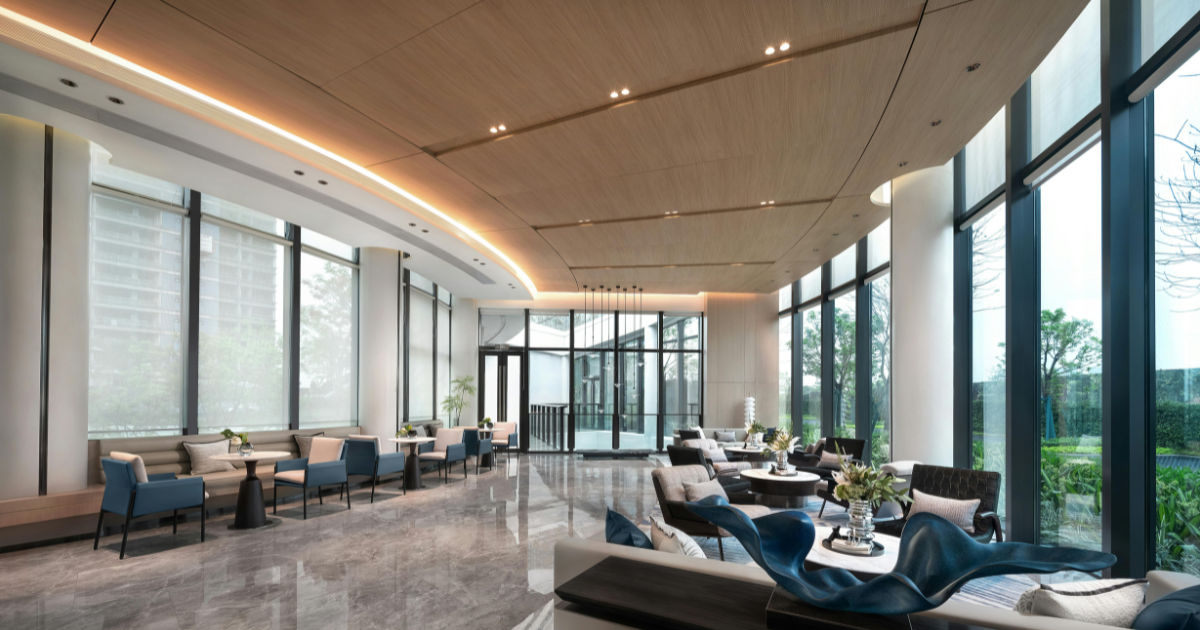
The hospitality industry in this region is built on strict hygiene rules, advanced food systems, and religiously guided cleanliness principles.
A Hotel in makkah is often closely connected with restaurant operations, either through in-house dining or partnerships with certified food suppliers.
Because of the high demand and global visitors, restaurants must follow strict international and local food safety guidelines. In this comprehensive guide, we will explore how restaurants in Makkah ensure food quality, safety, and consistency for millions of guests every year.
The Importance of Food Quality in Makkah
Food quality in Makkah is not just about taste. It is about safety, trust, and religious responsibility. Every Hotel in makkah and restaurant must consider that their customers include pilgrims who may be tired, dehydrated, or coming from different countries with different health conditions.
High Volume of Pilgrims
During Hajj and Umrah seasons, Makkah experiences one of the largest human gatherings in the world. Restaurants and every Hotel in makkah must serve thousands of meals daily without compromising safety.
International Expectations
Visitors come from Asia, Europe, Africa, and the Americas. A Hotel in makkah must ensure that food meets international hygiene expectations, not just local standards.
Religious and Cultural Responsibility
In Makkah, food must comply with halal standards. Every Hotel in makkah and restaurant follows strict Islamic dietary laws, ensuring ethical and clean food preparation.
Strict Food Safety Regulations in Saudi Arabia
The Saudi Food and Drug Authority (SFDA) plays a major role in regulating food safety. Every restaurant and Hotel in makkah must comply with these rules.
Regular Inspections
Authorities conduct frequent inspections of kitchens, storage areas, and food handling processes. A Hotel in makkah must maintain inspection-ready conditions at all times.
Licensing Requirements
Restaurants cannot operate without proper certification. Every Hotel in makkah must also renew food safety licenses regularly.
Penalties for Non-Compliance
If a restaurant fails to meet standards, it may face fines or closure. This ensures that every Hotel in makkah maintains high hygiene levels consistently.
Food Sourcing and Supplier Control
One of the most important steps in maintaining food quality is sourcing ingredients.
Approved Suppliers Only
Restaurants and every Hotel in makkah only work with approved suppliers who meet safety and quality standards.
Imported vs Local Ingredients
Many ingredients are imported for consistency, especially spices and packaged goods. A Hotel in makkah ensures imported food passes customs inspection and quality checks.
Freshness Control
Fresh produce like vegetables, fruits, and meat must be delivered daily or within strict timeframes. A Hotel in makkah cannot risk storing low-quality ingredients.
Storage and Temperature Control Systems
Proper storage is essential for preventing contamination.
Cold Chain Management
A Hotel in makkah uses cold storage systems to maintain meat, dairy, and frozen items at safe temperatures.
Dry Storage Safety
Grains, spices, and dry goods are stored in humidity-controlled environments. Every Hotel in makkah ensures pests are strictly controlled.
FIFO Method
Restaurants follow First-In-First-Out systems. A Hotel in makkah uses this to ensure older stock is used before new stock.
Hygiene Standards in Kitchens
Kitchen hygiene is the backbone of food safety in Makkah.
Staff Cleanliness
Every employee in a Hotel in makkah must wear clean uniforms, gloves, and hair coverings.
Sanitization Procedures
Surfaces, utensils, and equipment are sanitized regularly. A Hotel in makkah follows scheduled cleaning routines throughout the day.
Pest Control
Strict pest control systems are in place to prevent contamination. Every Hotel in makkah contracts professional pest control services.
Training and Staff Education
Human behavior is critical in maintaining food quality.
Food Safety Training Programs
Employees in a Hotel in makkah undergo regular food safety training sessions.
Certification Requirements
Many staff members must obtain food handling certifications. A Hotel in makkah ensures compliance before hiring kitchen staff.
Continuous Monitoring
Supervisors in every Hotel in makkah monitor staff performance to ensure rules are followed.
Technology in Food Quality Management
Modern technology plays a major role in ensuring food safety.
Digital Temperature Monitoring
A Hotel in makkah uses digital sensors to monitor refrigerators and freezers in real time.
Inventory Management Systems
Software helps track ingredients and expiration dates. Every Hotel in makkah uses digital systems to reduce waste and improve safety.
Automation in Kitchens
Some large hotels and restaurants in Makkah use semi-automated cooking systems to maintain consistency. A Hotel in makkah benefits from this by reducing human error.
Quality Control Checks Before Serving Food
Before food reaches customers, multiple checks are performed.
Visual Inspection
Chefs in a Hotel in makkah inspect food for color, texture, and presentation.
Taste Testing
Small samples are tested to ensure flavor consistency. Every Hotel in makkah maintains strict taste standards.
Final Approval System
Senior chefs approve meals before service. A Hotel in makkah ensures accountability at every step.
Water Quality and Its Importance
Water is a major component in cooking and cleaning.
Filtered Water Systems
Every Hotel in makkah uses filtered water for cooking and drinking.
Regular Testing
Water is tested regularly for contamination. A Hotel in makkah cannot compromise on water safety.
Waste Management Practices
Proper waste disposal ensures hygiene and environmental safety.
Segregation of Waste
A Hotel in makkah separates organic and non-organic waste.
Timely Disposal
Waste is collected multiple times daily, especially during peak seasons.
Eco-Friendly Practices
Many establishments, including every Hotel in makkah, are adopting eco-friendly waste management systems.
Handling High Demand During Pilgrimage Seasons
Makkah experiences extreme demand fluctuations.
Bulk Cooking Systems
A Hotel in makkah prepares large quantities of food without compromising quality.
Shift-Based Kitchen Teams
Staff work in shifts to maintain freshness and efficiency.
Emergency Supply Chains
Extra suppliers are activated during peak seasons. A Hotel in makkah ensures no shortage of ingredients.
Role of Hospitality Culture in Food Quality
Hospitality in Makkah is deeply rooted in Islamic values.
Respect for Guests
Every Hotel in makkah treats guests with high respect and care.
Cleanliness as a Principle
Cleanliness is considered part of faith, which influences kitchen behavior.
Ethical Responsibility
A Hotel in makkah views food safety as a moral responsibility, not just a business requirement.
Common Challenges Faced by Restaurants in Makkah
Despite strict systems, challenges still exist.
Extreme Crowd Pressure
A Hotel in makkah must manage sudden surges in demand.
Climate Conditions
Heat can affect food storage and transportation.
Supply Chain Delays
Import delays can impact ingredient availability for a Hotel in makkah.
Innovations Improving Food Quality
The industry continues to evolve.
Smart Kitchens
Many modern facilities in a Hotel in makkah now use smart monitoring systems.
AI-Based Inventory Systems
Artificial intelligence helps predict demand and reduce waste.
Improved Packaging Solutions
A Hotel in makkah uses advanced packaging to maintain freshness during delivery.
Collaboration Between Hotels and Restaurants
Hotels and restaurants often work together.
A Hotel in makkah may outsource food preparation to certified central kitchens. This ensures consistency and quality control across multiple outlets.
Central kitchens help standardize food across different branches of a Hotel in makkah, ensuring every guest receives the same quality experience.
Conclusion
Food quality in Makkah is the result of strict regulations, advanced technology, skilled staff, and deep cultural values. From sourcing ingredients to final service, every step is carefully monitored to ensure safety and consistency. A Hotel in makkah plays a crucial role in maintaining these standards because it directly serves millions of international pilgrims each year.
The combination of Saudi food safety laws, modern kitchen technologies, and strong ethical responsibility ensures that restaurants remain highly reliable. Whether through hygiene practices, staff training, or supply chain control, every Hotel in makkah contributes to a safe and high-quality dining experience.
In a city as spiritually and culturally significant as Makkah, food is more than nourishment—it is part of the hospitality experience that supports pilgrims on their journey. That is why every Hotel in makkah continues to invest heavily in food safety systems, ensuring trust, health, and satisfaction for all visitors.
 Ahsan Ahsan