
Exploring the Future of Gearbox Technology and Innovation

As you consider the future of gearbox technology, it’s clear that innovation is reshaping what’s possible. Lightweight materials and smart systems are becoming essential, especially with the rise of electric vehicles and IoT integration. You might wonder how these advancements will not only enhance efficiency but also adapt to the diverse needs of various industries. Just when you think you’ve grasped the full picture, new trends and materials emerge that could redefine performance altogether. What’s on the horizon that could further transform this vital component of modern engineering?

Current State of Gearbox Technology

Gearbox technology has evolved significantly in recent years, pushing the boundaries of efficiency and performance. You’ll notice that modern gearboxes are designed with a focus on reducing friction and improving power transmission. This shift has led to lighter materials and more streamlined designs, making them not only more efficient but also easier to integrate into various applications.

You might find that today’s gearboxes often incorporate advanced manufacturing techniques, such as 3D printing and precision machining. These methods allow for tighter tolerances and more complex geometries, which enhance overall functionality.

Additionally, the shift towards electric and hybrid vehicles has compelled manufacturers to rethink their designs, making them smaller yet more powerful.

It’s also worth mentioning the increasing use of smart technologies in gearbox systems. You can expect real-time monitoring and diagnostics to optimize performance and predict maintenance needs, ensuring reliability and longevity.

As you explore the current state of china gearbox manufacturer technology, you’ll see a trend towards customization and modularity, allowing for tailored solutions that meet specific demands. Overall, you’re witnessing a pivotal moment where innovation is driving the future of gearbox capabilities.

Key Innovations Driving Change

Several key innovations are reshaping the gearbox landscape, enhancing performance and efficiency.

You’ll find that these advancements not only improve operational capabilities but also drive sustainability in various applications.

Here’s a closer look at what’s making waves in the industry:

  1. Advanced Gear Materials: New alloys and composites reduce weight while improving strength and wear resistance, leading to longer-lasting components.
  2. Smart Gearbox Systems: Integrating IoT and AI technologies allows for real-time monitoring and predictive maintenance, minimizing downtime and optimizing performance.
  3. Variable Gear Ratios: Innovations in variable transmission systems provide better torque management and fuel efficiency, adapting to changing demands effortlessly.
  4. Modular Designs: Modular gearboxes enable quicker assembly and customization, allowing manufacturers to tailor solutions to specific needs without extensive re-engineering.

These innovations are setting new standards in gearbox technology, making systems more efficient, reliable, and adaptable to the evolving demands of various industries.

Embracing these changes won’t only enhance your operational efficiency but also position you for future advancements in gearbox technology.

Emerging Materials and Designs

Innovation in emerging materials and designs is transforming the gearbox industry, offering solutions that enhance durability and performance. You’ll find that lightweight composites and advanced alloys are increasingly being used to reduce weight while maintaining strength.

These materials not only improve fuel efficiency but also extend the lifespan of gearboxes, which is essential in high-demand applications.

Moreover, 3D printing technology is revolutionizing design possibilities. It allows for the creation of complex geometries that traditional methods can’t achieve. This means you can optimize gear shapes for better load distribution, ultimately leading to quieter and more efficient operation.

Additionally, self-lubricating materials are gaining traction. With these, you eliminate the need for frequent maintenance, saving time and resources.

You’ll also notice that the integration of smart materials, which can adapt to changing conditions, is paving the way for more responsive and efficient gearboxes.

As you explore these innovations, consider how they can impact your designs and applications. Embracing these emerging materials and designs not only positions you at the forefront of technology but also enhances the overall reliability and efficiency of gearbox systems.

Impact on Various Industries

As industries evolve, the impact of advanced gearbox technology becomes increasingly evident across various sectors. You might be surprised to learn just how transformative these innovations can be.

Here are four key areas where gearbox advancements are making a difference:

  1. Automotive Industry: Improved gearboxes enhance fuel efficiency and performance in vehicles, leading to significant cost savings for consumers and manufacturers alike.
  2. Aerospace Sector: Lightweight and efficient gearboxes are vital for aircraft, improving overall performance while reducing fuel consumption and emissions.
  3. Renewable Energy: Wind turbines rely on sophisticated gearbox technology to convert wind energy into electricity efficiently, helping to meet global energy demands sustainably.
  4. Manufacturing: Automation in factories benefits from advanced gear systems, increasing precision and productivity while minimizing downtime and maintenance costs.

In each of these industries, the integration of advanced gearbox technology not only boosts efficiency but also drives innovation.

As you consider the future of your field, it’s clear that staying ahead in gearbox advancements can offer a competitive edge. Embracing these changes now prepares you for the challenges ahead.

Future Trends and Predictions

What does the future hold for gearbox technology? You can expect significant advancements that will transform how gearboxes operate across various industries.

As demand for efficiency and sustainability grows, manufacturers are likely to focus on developing lighter, more compact designs that integrate advanced materials. This shift will reduce energy consumption and improve performance.

Additionally, the rise of electric vehicles (EVs) is shaping gearbox innovation. You’ll see the emergence of multi-speed transmissions specifically designed for electric drivetrains, enhancing torque management and extending range.

Smart technology will also play a key role; expect gearboxes equipped with sensors and AI, allowing for real-time monitoring and predictive maintenance.

Another trend is the push towards modular systems. By adopting modular gearbox designs, you can enjoy easier customization and maintenance, making it more cost-effective over time.

Moreover, as industries strive for automation, the integration of gearboxes with robotics will increase, improving operational efficiency.

Conclusion

In conclusion, the future of gearbox technology is poised for exciting advancements that’ll reshape industries. With lightweight materials, smart systems, and innovative designs, you can expect gearboxes to become more efficient and reliable. As electric vehicles and IoT integration gain momentum, your experience with performance and adaptability will improve significantly. Stay tuned for these developments, because the evolution of gearbox technology is just beginning, and it’s set to transform how we think about power transmission.
Classification and value of filters

In modern life, filters have become essential tools for maintaining our health and comfort. Whether it’s the air you breathe, the water you drink, or the environment in industrial production, filters work silently to remove harmful substances, making life safer and healthier. There are three main types of filters:: air filtersindustrial filters, and water filters.

1. Air Filters: Guardians of Healthy Breathing

Air filter is also called air purifier. The main function of air filters is to purify the air by removing dust, pollen, allergens, bacteria, smoke, and other tiny particles. In modern society, with the advancement of industrialization, air quality problems are becoming increasingly serious, especially in areas where air pollution is more obvious, and air filters are particularly important.

Air filters are widely used in homes, offices, and cars, among other everyday settings. For example, home air purifiers often come equipped with air filters to effectively reduce indoor dust and pollen, helping to combat allergens. Central air conditioning systems in offices also rely on air filters to ensure a relatively clean environment for employees. In cars, air filters help filter out exhaust fumes and pollutants from the outside, making the driving experience more comfortable.

Good air quality is crucial to health, especially for people with allergies, asthma, or respiratory issues. High-efficiency air filters can reduce allergens in the air, making life more comfortable for sensitive individuals, and can also reduce long-term health risks from air pollution. Choosing the right air filter not only improves quality of life but also helps protect the health of your family.

2. Industrial Filters: Silent Helpers in Manufacturing

Industrial filters are widely used in various manufacturing industries, such as chemical, food, pharmaceutical, oil, and gas sectors. Their role is to filter impurities and harmful substances in the production process to ensure product quality and reduce environmental pollution.

In industrial production, filters do more than just remove impurities; they also help improve production efficiency. For instance, liquid filters can remove impurities in pharmaceutical factories to ensure the purity and safety of medicines. Gas filters, on the other hand, are used in the oil and gas industry to filter harmful gases and reduce production risks. By filtering out these harmful substances, industrial filters help minimize environmental pollution and waste, making production more efficient and environmentally friendly.

There are different types of industrial filters based on their applications. The most common types include liquid filters and gas filters. Liquid filters are used to filter suspended particles and impurities from liquids and are commonly found in industries like pharmaceuticals, food, and chemicals. Gas filters are used to filter particles and harmful substances from gases, and they are widely applied in sectors such as oil and gas and electronics manufacturing.

3. Water Filters: Safeguarding Clean Drinking Water

Water is the source of life, and the quality of water directly affects our health. Water filters work by removing impurities, heavy metals, bacteria, and other harmful substances from water to ensure that the water we drink is clean and safe.

In everyday life, water filters are commonly found in household drinking systems. For example, home water purifiers can remove harmful substances such as chlorine and heavy metals from tap water, improving its taste and making it safer to drink. Commercial facilities and restaurants also use water filtration systems to ensure the safety and quality of large-scale water usage. In addition, municipal water treatment systems heavily rely on industrial-grade water filters to ensure that public water supplies meet drinking standards and protect public health.

Clean water is essential for health. Drinking untreated or poorly treated water can lead to diarrhea, liver problems, and even more serious health issues. For households with vulnerable groups, such as infants or the elderly, water filters play a critical role. By using water filters, we can reduce the risks of water pollution in our daily lives and ensure that every drop we drink is clean and safe.

Whether it’s air filters, industrial filters, or water filters, their ultimate goal is the same: to provide us with safer, cleaner air, water, and production environments. In today’s world, filters are not just a product of technological advancement; they have become an indispensable part of daily life. By choosing the right filters, consumers can significantly improve their quality of life, protect their health, and contribute to the sustainability of our planet. 

For those looking for reliable and customized filter solutions, Inonetek stands out as a leading manufacturer in China with 25 years of experience in OEM/ODM. Specializing in air and water filtration, Inonetek offers a broad range of flexible, cost-effective solutions for air purification and water filtration systems. Their product lineup includes air purifier filters, water filters, industrial air filters, humidifier filters, vacuum cleaner filters, refrigerator water filters, activated carbon filters, prefilters, non-woven fabrics, and more. Inonetek provides a one-stop flexible customization service for residential, commercial, and industrial needs, ensuring you get the perfect solution tailored to your specific requirements.

The Benefits Of Horizontal Boring Mill

Maintaining a competitive edge in the industrial and manufacturing industries depends mostly on accuracy and efficiency. Machinery has developed throughout the years to satisfy the always-rising needs of sectors. Among these machines, the Horizontal drill mill is one of the most important ones utilized for a range of jobs needing great accuracy. 

If you engage in large-scale manufacturing or metalworking, you have probably heard of or used a horizontal mill or boring machine. What precisely, though, are these machinery benefits? 

We will discuss in this article the reasons why many businesses find the horizontal boring mill to be absolutely essential. We will also underline the particular benefits that define this machine as a preferred choice above other kinds of machining tools.

Horizontal Boring Machine: Advantages for Industrial Parts

What Is A Horizontal Boring Mill, And How Does It Work?

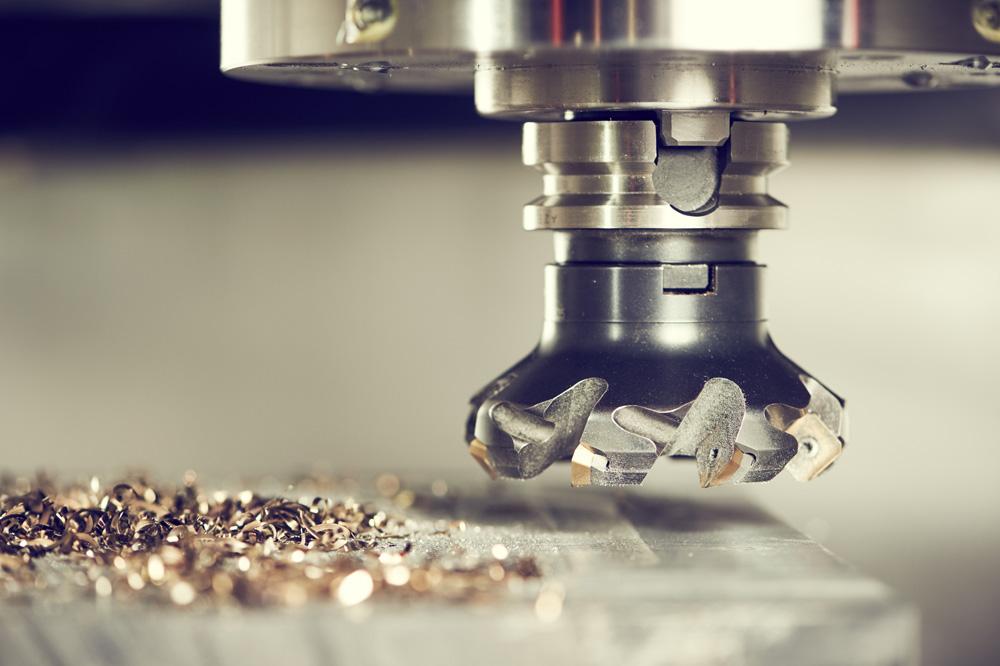
One must first grasp the basic structure and purpose of a Machining Center if one is to really value its advantages. Designed to drill exact holes and enlarge current ones on big, heavy, or unmanageable workpieces, a horizontal boring mill—also known as a horizontal boring machine—is a piece of technology. Whereas the spindle in vertical mills is vertical, the Machining center has a spindle positioned horizontally, providing particular benefits in some kinds of operations.

Usually comprising a big worktable supporting the workpiece and a spindle moving horizontally to execute drilling, milling, and boring operations, Horizontal boring tools Larger workpieces—which may be challenging to move about or mount onto other kinds of equipment—make these machines especially helpful.

Still, why are these machines so extensively applied? Apart from various milling or drilling choices, what distinguishes them?

Why Is a Horizontal Boring Machine Essential for Large Workpieces?

The ability of the Machining Center to handle big, heavy, and irregularly shaped workpieces is one of its most important advantages. This machine shines in cases when the weight and bulk of the material render other equipment unworkable.

The following are some main factors explaining why the Boring equipment is a first choice for big projects:

  • Increased Stability: Horizontal boring tools give great stability since the workpiece stays motionless while the spindle travels. They are, therefore, perfect for handling huge things like industrial machinery components, engine blocks, or big steel plates.

  • Reduced Setup Time: When it comes to placing and clamping large workpieces, Horizontal boring tools call for fewer adjustments than vertical mills. Once the item is firmly on the worktable, the machine may run a variety of processes without requiring repositioning, therefore lowering total setup time and increasing productivity.

  • Improved Precision: Achieving exact outcomes is absolutely important while working on big sections. Because of its strong construction, which lets tight tolerances even on large metal or other material pieces, the horizontal mill offers better accuracy.

For sectors such as aerospace, automotive, and heavy equipment manufacturing that routinely deal with large-scale components, these characteristics make the Boring equipment the perfect answer.

How Does a Horizontal Mill Improve Efficiency in Operations?

One of the main causes manufacturers use a Machining center is efficiency. Machines that provide flexibility and speed without sacrificing quality are much sought after as businesses drive for faster manufacturing times and more affordable alternatives—many important benefits from a horizontal mill help to increase operational effectiveness.

  • Multiple Operations in One Setup: The capacity of Boring equipment to execute many machining operations in one setup is one of its best qualities. The horizontal mill may manage drilling, milling, and boring, as well as other tasks. Faster production cycles arise from operators spending less time transporting workpieces between several machines.

  • Larger Work Envelopes: Usually having more work envelopes than vertical mills, horizontal mills allow one to operate on bigger components in fewer sets. This capacity is especially crucial in sectors where production volume and efficiency define their success.

  • Enhanced Automation: Advanced CNC (computer numerical control) systems found in many current Horizontal boring tools can automate several operations, therefore lowering the requirement for human involvement. Automation lets businesses lower the risk of human error while raising capacity.

How Might A Horizontal Boring Mill Increase Versatility?

The versatility of Boring equipment is one of its most appealing qualities. Investing in equipment capable of a broad spectrum of operations is essential at a time when businesses have to adjust to always-shifting production needs.

  • One Drilling, Boring, and Milling:

Using the same machine, a Machining center allows you to execute all three of these fundamental operations—drilling, boring, and milling. This offers a great benefit over specialized devices for only one purpose:

  • Project scope's flexible character

  • Less demand for some tools

  • Simplified procedures for items needing several operations

  • Thread Cutting and Tapping

Industries, including the manufacturing of heavy machinery and automobiles, depend on precision-drilled holes quite often. Thanks to their robust construction and adaptable tooling features, Boring pieces of equipment can easily manage these threading and tapping operations.

  • Facing and Contouring:

Beyond drilling and boring, Horizontal boring tools are also adept at facing vast surfaces or contouring items with complex geometries. For sectors like aerospace, where every component must satisfy strict specifications for safety and performance, this is perfect for those needing exact, flat surfaces.

  • Machining in Hard-to-Reach Areas: 

These machines can reach sections of a part that would be difficult with a vertical mill thanks to the spindle's horizontal orientation. This adaptability lets one create intricate shapes and interior voids, especially in:

  • Engine blanks

  • Transmission houses

  • Huge pump bodies

Because the Machining Center is so flexible and can be used for a wide range of jobs, both big and small projects can benefit from this very reasonably priced option.

What Role Does Technology Play in Modern Horizontal Boring Mills?

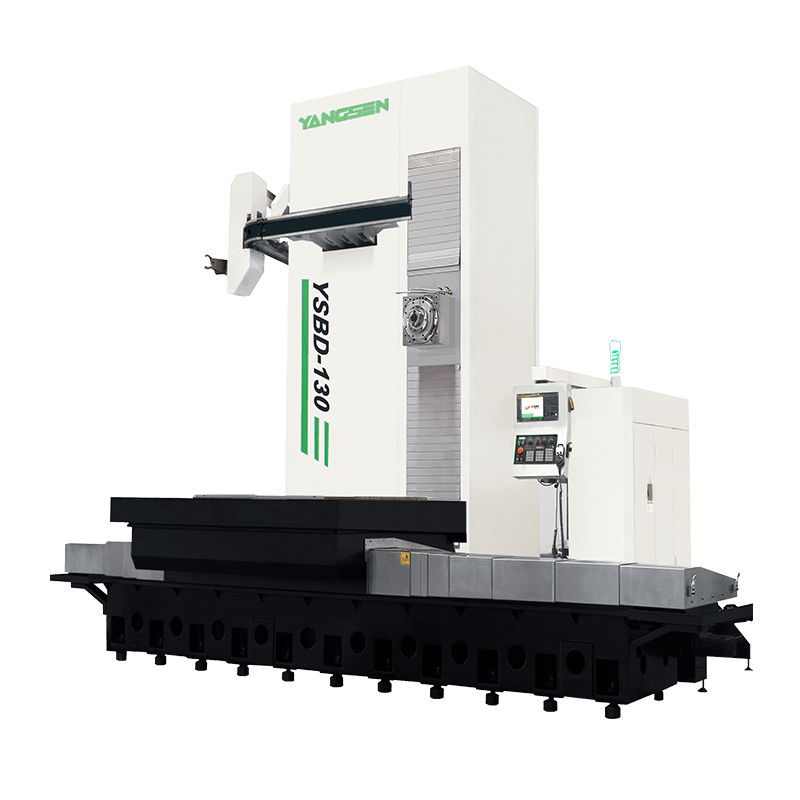
YSBD-130

Modern Horizontal boring tools' advanced technological integration has transformed production processes. Sophisticated features in today's machines allow them to operate at even more precise and efficient levels.

  • CNC Integration: CNC technology, which lets many Boring equipments operate extremely precisely and repeatably, is currently common in this equipment. Complex programs can be stored in CNC systems, allowing the machine to run sophisticated machining jobs with little human involvement. This increases precision as well as speeds up manufacturing times. Advantages include:

    • Capacity to exactly copy difficult designs

    • less demand for hand calculations or corrections

    • higher output brought about by automated procedures

  • Improved Spindle Design: Improved spindle designs of the most recent horizontal mills provide more speed, power, and versatility. High-speed rotation of these spindles lets one cut faster while preserving accuracy. When working with hard materials or during fast operations, in particular, this is quite helpful. This is especially helpful while working with:

    • Hard-to-machine components, including titanium or Inconel

    • High-volume manufacturing runs when speed is absolutely vital.

  • Smart Controls and Touchscreen Interfaces: Modern Horizontal boring tools are easy to run because of touchscreen interfaces and simple control features. This lowers operator training time and raises the machine's general efficiency. Remote monitoring systems and touchscreen controllers let operators:

    • Run several machines at once.

    • Track current machine performance.

    • From a safe distance, make corrections to lessen the need for human intervention.

Thanks to technology-driven improvements, today's Horizontal boring apparatus is more powerful and user-friendly, allowing companies to reach higher degrees of production while keeping quality.

In What Ways May A Horizontal Boring Machine Enhance Ergonomics And Safety?

Any manufacturing environment depends critically on safety. Hence, Horizontal boring apparatus provides many advantages in this respect. 

  • Reduced Handling of Workpieces: Large workpieces are securely fixed on the worktable of the machine, so operators' handling of them is less necessary. This lowers the possibility of lifting or moving big objects, causing injuries.

  • Remote Monitoring and Control: Often equipped with CNC, Heavy-duty horizontal mill let for remote monitoring and control. By monitoring the machine's performance from a distance, operators can help minimize the requirement for continuous hand involvement. This enhances safety as well as reduces the possibility of mishaps brought on by human mistakes.

  • Ergonomically Designed Workstations: Usually, operator comfort is considered in the design of Horizontal boring apparatus. Easy access to necessary components and changeable controls guarantee that operators can work effectively without taxing themselves. This emphasis on ergonomics helps to lower the risk of repetitive strain injuries and tiredness.

  • Fail-Safe Systems: Fail-safe systems included in modern Horizontal milling machines allow them to automatically stop in the event of overheating, tool breakdown, or other problems. This not only safeguards the equipment but also keeps operators free from possible risks.

Including a piece of Boring equipment in your manufacturing plant will help to create a safer and more comfortable workplace, thereby benefiting your workers as well as your profitability.

Can horizontal boring mills boost profitability and help lower expenses?

Financial factors usually dictate whether or not to buy a Horizontal boring apparatus. Many manufacturers would be wise to invest in these types of equipment since, fortunately, they provide major cost-saving advantages.

  • Reduced Labor Costs: Heavy-duty horizontal mills assist save labour expenses since they can run several operations in one configuration and demand less manual involvement. Fewer setups free operators to concentrate on other chores since they mean less time spent getting items ready.

  • Lower tooling costs: Usually speaking, horizontal mills require less specialized tools than vertical mills or other kinds of machinery. Over time, this results in reduced tooling costs since you won't have to buy as many different tools for different procedures.

  • Decreased Material Waste: High degrees of accuracy of Horizontal boring apparatus are well-known. Tightening tolerances and lowering mistakes will help producers cut material waste. This lowers the need for rework, boosting profitability even while it saves money on raw supplies.

  • Enhanced Energy Efficiency: Energy economy is considered in the design of modern Horizontal boring apparatus. These machines can greatly lower running costs by optimizing motor power and cutting the number of setups and operations, therefore saving energy.

These financial gains make it quite evident that Heavy-duty horizontal mills might improve the bottom line of your business.

Different kinds of Horizontal drill mills:

One should realize from thinking about Boring equipment that every machine is unique. Each of the several horizontal boring mills has special capabilities, characteristics, and uses; they serve diverse machining needs. 

Whether you work in precision machining or heavy industrial, there probably is a Heavy-duty horizontal mill that fits your needs. Let us examine the several kinds of Horizontal drill mills and their particular applications.

  1. Table Type Horizontal Boring Mill

The most often used and flexible kind of Heavy-duty horizontal mill is the table-type Horizontal drill mill. Under this arrangement, the spindle moves longitudinally along the Z-axis while the workpiece is secured onto a table that moves in both the X (horizontal) and Y (vertical) axes. Mounted on a column, the spindle and the tool head enable the user to execute several highly precise drilling, milling, and boring operations.

  1. Floor Type Horizontal drill mill

Designed for milling very large and heavy workpieces that cannot be readily mounted on a table, the floor-type Boring equipment this kind of machine mounts the workpiece on the floor instead of a stationary table, and the boring spindle on a column that can slide along rails. The machine head can machine several sides of big components in one setup by moving both horizontally and vertically.

  1. Planer Type Horizontal drill mill

Though it has a special feature—a planer mechanism integrated into the machine—a planer type Boring equipment is comparable to a floor type; under this arrangement, the machine's planer moves over the stationary workpiece rapidly and effectively, cutting vast regions. Large-scale, heavy-duty machining operations requiring the removal of considerable volumes of material from the workpiece are quite suited for this equipment.

Conclusion:

All things considered, the horizontal boring mill is a vital instrument in contemporary manufacturing because of its several advantages. From easily handling big workpieces to providing outstanding precision and adaptability, these machines provide major benefits over other forms of milling and boring tools. Modern horizontal boring machines are more powerful, efficient, and user-friendly than they were years ago, thanks to technological developments.

Investing in a horizontal boring mill can be the secret to reaching your company objectives whether your main aims are ones of efficiency, cost control, or manufacturing capacity increase. The function of horizontal boring machines will only become more important as sectors change and demand more degrees of accuracy and productivity drive.

To learn more about innovative solutions and high-quality horizontal boring machine, visit our website at https://www.cncyangsen.com/. Discover how our advanced machinery can elevate your manufacturing processes to new levels of efficiency and precision. At Yangsen, we are committed to providing the tools necessary for your business to thrive in the competitive landscape of modern manufacturing. Don't just take our word for it—explore our site to see the full range of our capabilities and get in touch with us to discuss how we can partner for your next project.

Perfecting This Excites This Thorough Help Guide To On Line Casinos

The worldly concern of casinos is a fascinating intermix of chance, strategy, exhilaration, and high-stakes -making. To anyone new, the brightly lights, 10000 game options, and active vim can seem overwhelming. However, with the right understanding, traversing the gaming ball over can become an stimulating see rather than an intimidating one.

Casinos have been prominent sources of entertainment for centuries, providing patrons with various games of chance such as blackmail, toothed wheel, poker, and slot machines. These games cater to a variety show of science sets and preferences, offering endless opportunities for profits and fun. Most of these games roll around a combination of science, strategy, and a splash of luck.

Visitors can engage in remit games such as poker and pressure, where understanding the rules, developing operational strategies, and perusing opponents can increase the chances of successful. Meanwhile, slot machines cater to those who favor a game supported largely on , with sporty themes and engaging narratives adding an extra touch of exhilaration.

Beyond games, toto togel s also volunteer a distinctive ambience that contributes to the overall gaming see. Extravagant decor, live amusement, and premium dining options produce a feel of enchant and opulence. This, conjunct with the vibrate of potentially high payouts, makes casinos a nonclassical choice for a night of entertainment.

Online casinos have also risen in popularity in Holocene years, delivery the gambling casino go through to the soothe of players' homes. These realistic platforms volunteer the same set out of games as object casinos, with the added benefit of being accessible anytime, anywhere. Moreover, the maturation trends of live dealers and realistic reality in online casinos aim to replicate the immersive feel of a real casino, ensuring the experience is as stimulating as at a natural science venue.

In termination, casinos volunteer numerous opportunities for entertainment, repay, and involvement. Whether on the spirited gaming ball over of a physical casino or the virtual arenas of online platforms, patient appeal comes from the intermingle of , strategy, and slue vibrate that these play houses cater. For both novices and practised gamblers, understanding and appreciating this moral force world can transmute an ordinary Nox out into an memorable jeopardize.

Online Slots A Modern Spin on Traditional Gambling

Online slots are digital avatars of the traditional slot machines that we typically see in physical casinos. These engaging, interactive platforms offer more than mere gambling; they provide a uniquely immersive gaming experience that captivates millions of users globally. Through captivating themes, rich graphics, high-quality sounds, and an incredible variety of games, online slots breathe new life into the dynamics of traditional gambling.

The popularity of online slots is mainly due to their accessibility. With internet connectivity and a device such as a smartphone, tablet or laptop, you can enjoy your favourite slots from the comfort of your home. There are no geographical constraints or time restrictions; you can fire up your favourite online slot at any time, from any place. This convenience factor has garnered a vast and diverse player base for online slots across the globe.

An additional appeal of online slots is their simplistic gameplay. Even newcomers to the online world find it easy to understand and play online slots. Generally, all it takes is to place your bet, hit the ‘spin’ button, and hope the symbols line up in your favor. However, don’t be fooled by the simplicity; many online slots also involve strategy and skill. With many games offering bonus rounds and hidden features, there is always something new to discover.

Online slots are known for their wide range, offering something for everyone. From classical single-line slots to multi-line slots with special features, bonus games, progressive jackpots, and more – there’s never a dearth of choice. Additionally, the ever-evolving technology makes way for more sophisticated and engaging slots, keeping the excitement fresh for the players. Many online slots are also themed, drawing inspiration from popular culture, making them even more enjoyable.

Part of the thrill of online slots is their unpredictable nature, courtesy of the Random Number Generator (RNG) technology. This ensures that each spin is independent and random, adding to the thrill and suspense of the game. Winning at online slots requires luck, but various strategies can help manage your bankroll and maximize your potential payouts.

While online situs toto slot login s are a fun and exciting way to pass the time, it’s crucial for players to approach them responsibly. Remember, they are a form of entertainment, not a way to make money. Set budget limits, know when to stop, and most importantly, have fun. As a rule of thumb, never bet more than you can afford to lose. Engage in responsible gambling practices and enjoy the thrill and excitement that online slots have to offer.

In conclusion, online slots offer a modern twist on traditional gambling. With their high convenience level, myriad of choices, impressive features, and the fun of unpredictability, they provide a superior gaming experience. As technology advances, we can only expect online slots to improve further, providing even more immersive, engaging, and exciting experiences for users everywhere.