
How can I improve tasty lunch salad recipes?
 AsimAli
Lunch salads do not have to be boring, bland, or repetitive. Many people think salad means a bowl of lettuce with dressing, but that idea is outdated. A great lunch salad can be filling, colorful, healthy, and full of flavor.
With the right ingredients and simple techniques, you can create meals that feel exciting every day. Enjoy Tasty Recipes easy cooking is a smart way to think about building better salads because simple methods often create the best results.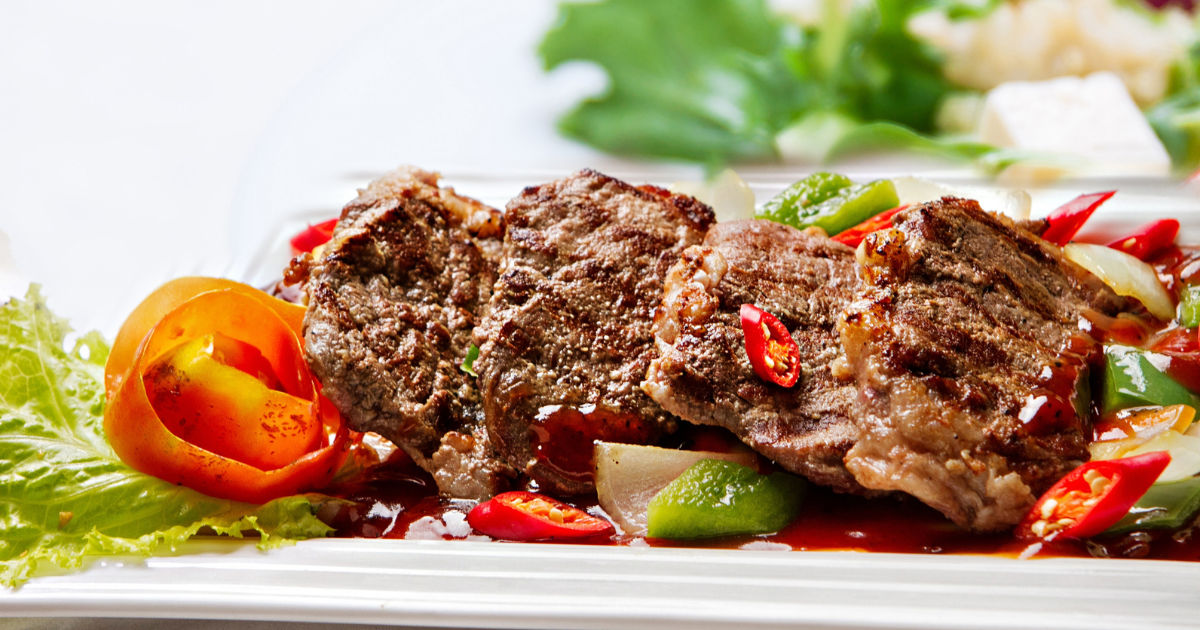
If you want to improve your lunch salads, focus on freshness, texture, protein, balance, and seasoning. Small upgrades can turn an ordinary salad into a satisfying meal.
Enjoy Tasty Recipes easy cooking helps home cooks make lunches that taste amazing without spending hours in the kitchen.
This guide explains how to improve lunch salad recipes step by step. You will learn ingredient choices, flavor ideas, meal prep tips, common mistakes, and creative combinations. By the end, you will be ready to make salads you truly enjoy.
Why Lunch Salads Are a Great Choice
Lunch salads are popular for many good reasons. They are quick to prepare, easy to customize, and packed with nutrients. A well-made salad gives energy without making you feel too heavy during the afternoon.
Salads are also budget-friendly. You can use leftover vegetables, cooked chicken, rice, beans, pasta, eggs, or grains. Enjoy Tasty Recipes easy cooking shows that delicious meals do not need expensive ingredients.
Another benefit is variety. You can create Mediterranean salads, Asian-inspired bowls, classic garden salads, protein-packed fitness salads, or seasonal fresh salads. There is always something new to try.
Start With Better Greens
The base of most salads is greens. If your greens are dull or wilted, the whole salad suffers. Fresh greens improve taste and texture instantly.
Try these options:
- Romaine for crunch
- Spinach for soft texture and nutrition
- Arugula for peppery flavor
- Mixed greens for variety
- Kale for hearty salads
- Iceberg for crisp freshness
Wash and dry greens well. Wet leaves dilute dressing and reduce flavor. Store greens in a container lined with paper towel to keep them fresh longer.
Mixing two or three greens together creates better texture. Enjoy Tasty Recipes easy cooking becomes easier when your salad base already tastes fresh.
Add Protein to Make It Filling
Many salads fail because they do not satisfy hunger. Protein solves that problem. It helps keep you full longer and turns salad into a complete lunch.
Great protein choices include:
- Grilled chicken
- Boiled eggs
- Tuna
- Salmon
- Chickpeas
- Black beans
- Tofu
- Turkey slices
- Cottage cheese
- Lentils
Use about one palm-sized portion for balance. Season protein well before adding it. Plain chicken can make the salad bland, but seasoned grilled chicken adds life.
Enjoy Tasty Recipes easy cooking works best when every salad includes something hearty and satisfying.
Use Different Textures
Texture matters as much as flavor. A salad with only soft ingredients can feel boring. Mix crunchy, creamy, juicy, and crisp foods together.
Try adding:
- Cucumbers
- Carrots
- Bell peppers
- Nuts
- Seeds
- Croutons
- Apple slices
- Toasted chickpeas
- Radishes
- Celery
Creamy textures can come from avocado, feta cheese, hummus, or yogurt dressing.
A crunchy bite keeps each forkful interesting. Enjoy Tasty Recipes easy cooking often depends on contrast, and texture contrast makes meals memorable.
Improve Flavor With Fresh Herbs
Fresh herbs instantly upgrade lunch salads. They add brightness without many calories.
Best herbs for salads:
- Parsley
- Cilantro
- Mint
- Basil
- Dill
- Chives
A little chopped herb can transform the taste. Mint pairs well with cucumber and chickpeas. Basil works beautifully with tomato and mozzarella. Dill matches tuna or yogurt dressing.
Using herbs is one of the easiest chef-style tricks. Enjoy Tasty Recipes easy cooking becomes more exciting when herbs are part of your routine.
Make Better Dressings at Home
Store-bought dressings can be convenient, but homemade dressing often tastes fresher and healthier. Many bottled dressings contain too much sugar, salt, or preservatives.
Basic Vinaigrette
Mix:
- 3 tablespoons olive oil
- 1 tablespoon vinegar or lemon juice
- Salt
- Pepper
- Mustard (optional)
Shake well.
Creamy Yogurt Dressing
Mix:
- Greek yogurt
- Lemon juice
- Garlic powder
- Salt
- Pepper
- Water to thin if needed
Honey Mustard Dressing
Mix:
- Olive oil
- Mustard
- Honey
- Lemon juice
Use dressing lightly. Too much can overpower ingredients. Enjoy Tasty Recipes easy cooking becomes healthier when you control the dressing yourself.
Add Grains for Energy
If you need a stronger lunch, add grains. They give energy and make the salad more filling.
Best options:
- Quinoa
- Brown rice
- Couscous
- Bulgur
- Farro
- Pasta
Cook grains in advance and keep them in the refrigerator. Add one-half to one cup per salad.
Grains also absorb dressing well, adding flavor throughout the bowl. Enjoy Tasty Recipes easy cooking is practical when leftovers become tomorrow’s lunch.
Use Seasonal Ingredients
Seasonal produce tastes better and is often cheaper. Build salads around what is fresh during the year.
Spring
- Strawberries
- Peas
- Radishes
- Asparagus
Summer
- Tomatoes
- Corn
- Cucumbers
- Peaches
Fall
- Apples
- Sweet potato
- Pumpkin seeds
- Pears
Winter
- Kale
- Citrus fruits
- Beets
- Cabbage
Fresh seasonal ingredients bring natural flavor. Enjoy Tasty Recipes easy cooking becomes simple when nature provides the best ingredients.
Balance Sweet, Salty, Sour, and Savory
The best salads feel balanced. If everything tastes the same, the bowl becomes dull.
Try combining:
- Sweet: fruit, honey, roasted carrots
- Salty: feta, olives, parmesan
- Sour: lemon, vinegar, pickled onions
- Savory: chicken, beans, nuts, seeds
Example: spinach + grilled chicken + strawberries + feta + balsamic dressing.
That balance keeps every bite interesting. Enjoy Tasty Recipes easy cooking teaches that flavor harmony matters more than complexity.
Meal Prep for Busy Days
One reason people stop making salads is lack of time. Meal prep fixes that problem.
What to Prep Ahead
- Wash greens
- Chop vegetables
- Cook protein
- Cook grains
- Make dressing
- Portion nuts or seeds
Store ingredients separately. Build salads fresh each morning or night before.
Smart Storage Tip
Keep dressing separate until lunchtime. This prevents soggy greens.
Meal prep saves time and money. Enjoy Tasty Recipes easy cooking becomes realistic when healthy lunches are ready to go.
Common Salad Mistakes to Avoid
Even healthy ingredients can create a weak salad if used poorly.
1. Too Much Lettuce, Too Little Substance
Add protein, vegetables, and grains.
2. No Seasoning
Salt and pepper matter. Season lightly.
3. Too Much Dressing
Use enough to coat, not drown.
4. No Texture Variety
Add crunch.
5. Repeating the Same Recipe
Rotate flavors weekly.
6. Using Old Produce
Freshness matters.
Avoiding these mistakes can improve your salads immediately. Enjoy Tasty Recipes easy cooking starts with simple corrections.
Five Delicious Lunch Salad Ideas
Mediterranean Power Salad
- Romaine
- Chickpeas
- Cucumber
- Tomato
- Red onion
- Feta
- Olives
- Lemon olive oil dressing
Fresh and satisfying.
Chicken Avocado Salad
- Mixed greens
- Grilled chicken
- Avocado
- Corn
- Cherry tomatoes
- Yogurt dressing
Creamy and filling.
Asian Crunch Salad
- Cabbage
- Carrot
- Edamame
- Bell pepper
- Chicken or tofu
- Sesame dressing
Bright and crunchy.
Sweet Apple Walnut Salad
- Spinach
- Apple slices
- Walnuts
- Goat cheese
- Cranberries
- Balsamic dressing
Sweet and savory.
Protein Tuna Salad Bowl
- Greens
- Tuna
- Egg
- Beans
- Cucumber
- Mustard dressing
Great for energy.
Enjoy Tasty Recipes easy cooking gives endless ways to customize these bowls.
How to Make Salads More Appealing
Sometimes the problem is not taste but presentation. A beautiful salad feels more enjoyable.
Tips:
- Use colorful vegetables
- Slice ingredients evenly
- Layer ingredients neatly
- Add toppings last
- Use a wide bowl
Eat with proper utensils and take time to enjoy it. A rushed meal often feels less satisfying.
Enjoy Tasty Recipes easy cooking also means making food look inviting.
Healthy Add-Ons That Boost Nutrition
Want more nutrition? Add these extras:
- Chia seeds
- Flax seeds
- Pumpkin seeds
- Sunflower seeds
- Berries
- Beans
- Broccoli
- Fermented vegetables
These ingredients add fiber, vitamins, minerals, and healthy fats.
Budget Tips for Better Salads
You do not need expensive ingredients for great salads.
Save Money By:
- Buying seasonal produce
- Using beans instead of costly meats sometimes
- Cooking grains in bulk
- Using leftovers
- Buying larger containers of greens
- Making homemade dressing
Frozen vegetables can also work when fresh prices are high.
Enjoy Tasty Recipes easy cooking proves smart eating can fit many budgets.
How to Keep Salads Interesting Every Week
Use a rotation method.
Change One Thing Each Week
Week 1: New dressing
Week 2: New protein
Week 3: New greens
Week 4: New toppings
This keeps lunch exciting without learning entirely new recipes each time.
You can also choose themes:
- Mexican week
- Mediterranean week
- High-protein week
- Fruit and greens week
Small changes prevent boredom.
Build Your Own Perfect Lunch Salad Formula
Use this easy formula:
- Greens
- Protein
- Crunchy vegetables
- One creamy ingredient
- One grain or bean
- Dressing
- Herbs or toppings
Example:
Spinach + chicken + cucumber + avocado + quinoa + lemon dressing + parsley.
That formula works almost every time. Enjoy Tasty Recipes easy cooking becomes effortless when you follow a simple system.
Final Thoughts
Improving tasty lunch salad recipes is not about following strict rules or buying fancy ingredients. It is about balance, freshness, creativity, and smart preparation. Choose better greens, add protein, include crunchy textures, use homemade dressing, and mix flavors that complement each other.
Lunch salads should energize you, satisfy hunger, and make healthy eating enjoyable. With a little planning, salads can become one of the best meals of your day instead of an afterthought.
Start with one change today. Add herbs, prepare a homemade dressing, or include a stronger protein source. Over time, these small improvements create lunches you genuinely look forward to eating.
Most importantly, keep experimenting until you find combinations you love. Great salads are personal, flexible, and easy to make. Enjoy Tasty Recipes easy cooking is the perfect reminder that simple food can still be delicious, nourishing, and exciting every single day.



 Weather, soil movement, drainage issues, heavy traffic, and age can all cause damage over time. If you notice early warning signs, you can repair problems before they become more expensive.