

A urine test is one of the most commonly used medical and diagnostic tools in healthcare. It helps doctors understand how well your body is functioning and can detect a wide range of health conditions. In recent years, people have also searched unusual questions like can you freeze urine for a drug test, often due to confusion about how testing works.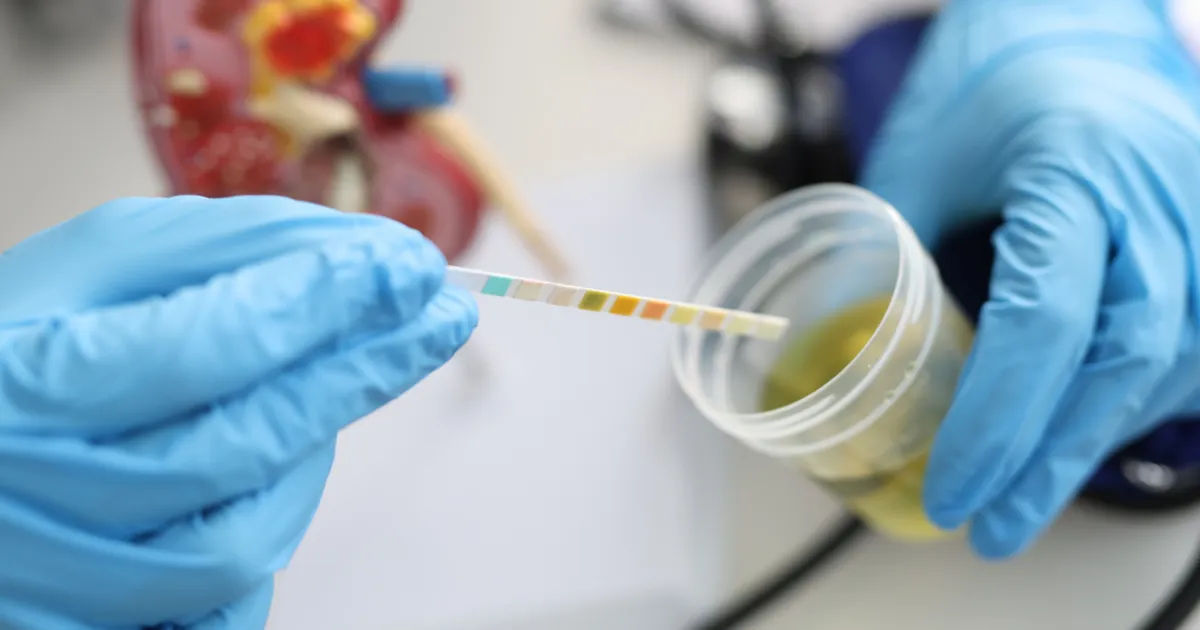
The question can you freeze urine for a drug test appears frequently online, but it is important to understand urine testing from a medical and scientific point of view rather than focusing on misuse. Another common concern people raise is can you freeze urine for a drug test when they are trying to understand sample handling procedures.
From a healthcare perspective, can you freeze urine for a drug test is not relevant to proper medical testing standards, because laboratories use strict protocols to ensure accuracy. Still, the curiosity behind can you freeze urine for a drug test highlights how important it is to learn what urine testing actually measures and why it is used in diagnosis.
Urine tests provide valuable insight into hydration levels, kidney function, metabolic health, and the presence of infections or diseases. They are simple, fast, and non-invasive, which makes them widely used in hospitals and clinics.
What Is a Urine Test?
A urine test, also called urinalysis, is a laboratory examination of urine. It evaluates the physical, chemical, and microscopic properties of urine to detect abnormalities.
Urine is produced by the kidneys as they filter waste and excess substances from the blood. Because of this, it carries important information about what is happening inside the body.
Doctors may order a urine test for routine health screening, diagnosing symptoms, or monitoring ongoing conditions.
What Does a Urine Test Show?
A urine test can reveal a wide range of health conditions and bodily changes.
1. Hydration Levels
Urine color and concentration can indicate whether a person is dehydrated or properly hydrated.
2. Kidney Function
Proteins, creatinine, and other markers in urine help assess how well the kidneys are filtering waste.
3. Infections
Bacteria, white blood cells, and nitrites in urine may indicate a urinary tract infection (UTI).
4. Diabetes
Glucose or ketones in urine can suggest uncontrolled diabetes or metabolic issues.
5. Liver Health
Bilirubin in urine may signal liver dysfunction.
6. Pregnancy
A urine test can detect human chorionic gonadotropin (hCG), a hormone produced during pregnancy.
7. Drug Use Screening
Some urine tests are used to detect the presence of certain substances or medications in the body.
The ability of a urine test to show so many conditions makes it an essential diagnostic tool in modern medicine.
Types of Urine Tests
Physical Examination
This checks the appearance of urine, including color, clarity, and odor.
Chemical Examination
Dipstick tests measure substances like pH, glucose, protein, and ketones.
Microscopic Examination
A microscope is used to detect cells, crystals, bacteria, or other particles.
Urine Culture
This test identifies bacteria or fungi causing infections.
How Urine Tests Are Performed
A urine sample is usually collected in a sterile container. The process is simple:
- The patient cleans the genital area
- Midstream urine is collected
- The sample is sealed and sent to a lab
Laboratories then analyze the sample using automated machines or manual testing methods.
Why Urine Tests Are Important
Urine tests are important because they help detect diseases early, sometimes before symptoms appear.
They are commonly used for:
- Routine medical checkups
- Hospital admissions
- Pregnancy testing
- Monitoring chronic conditions
- Detecting infections
Early detection allows for faster treatment and better outcomes.
Common Misconceptions About Urine Testing
Many people misunderstand how urine testing works, especially when searching phrases like can you freeze urine for a drug test.
Some believe urine testing is simple or easy to manipulate, but in reality, laboratories use strict temperature checks, timing protocols, and chemical verification methods to ensure sample integrity.
The repeated online curiosity about can you freeze urine for a drug test often comes from misinformation rather than medical fact. In proper clinical settings, samples must meet strict conditions to remain valid.
It is also important to understand that can you freeze urine for a drug test is not related to how urine tests are designed to function medically. Instead, urine testing is focused on diagnosing health conditions accurately.
What Can Affect Urine Test Results?
Several factors can influence urine test results:
Diet
Foods like beets or asparagus can change urine color or odor.
Medications
Certain medications may alter chemical readings.
Dehydration
Low water intake can make urine more concentrated.
Exercise
Intense exercise can temporarily increase protein levels.
Illness
Infections or chronic diseases can significantly change urine composition.
Preparation for a Urine Test
Most urine tests do not require special preparation, but sometimes doctors may ask:
- Avoid certain foods or medications
- Drink normal amounts of water
- Collect first-morning urine for accurate results
It is important to follow instructions carefully for reliable results.
Understanding Urine Test Results
Urine test results are usually interpreted by healthcare professionals.
Normal Results
Indicate no significant abnormalities in urine composition.
Abnormal Results
May indicate infection, kidney issues, diabetes, or other health conditions.
Doctors often combine urine test results with blood tests and physical examinations for a complete diagnosis.
Limitations of Urine Tests
While urine tests are highly useful, they have some limitations:
- They may not detect all diseases
- Results can be influenced by external factors
- Further testing may be required for confirmation
Despite these limitations, urine testing remains a valuable first step in diagnosis.
Importance of Medical Integrity in Testing
Medical testing relies on accurate and uncontaminated samples. Discussions around can you freeze urine for a drug test often miss the main point: laboratory accuracy depends on proper sample handling, not manipulation.
Healthcare systems are designed to ensure that results reflect real health conditions. This is why standardized procedures are followed strictly in all laboratories.
The repeated curiosity about can you freeze urine for a drug test does not change the scientific reality that urine testing is intended for diagnosis and health evaluation.
When Should You Get a Urine Test?
Doctors may recommend a urine test if you experience:
- Painful urination
- Frequent urination
- Blood in urine
- Lower back pain
- Fever with urinary symptoms
It is also used during routine checkups even when no symptoms are present.
Key Benefits of Urine Testing
- Quick and painless
- Cost-effective
- Provides early disease detection
- Useful for multiple conditions
- Easy sample collection
Because of these benefits, urine tests are one of the most commonly performed medical tests worldwide.
Conclusion
Urine testing plays a crucial role in modern healthcare by providing valuable insights into kidney function, infections, metabolic health, and more. It is a simple yet powerful diagnostic tool that helps detect diseases early and supports effective treatment decisions.
While online curiosity often leads to questions like can you freeze urine for a drug test, it is important to focus on understanding urine testing from a medical perspective. The phrase can you freeze urine for a drug test appears frequently in searches, but real-world laboratory testing is governed by strict medical standards. Discussions around can you freeze urine for a drug test should not distract from the true purpose of urinalysis, which is accurate health assessment. Ultimately, can you freeze urine for a drug test reflects misinformation more than medical relevance, and proper education about urine testing helps clear such confusion. Learning how urine tests work ensures people understand their value in diagnosing health conditions rather than focusing on improper use.
Urine tests remain one of the most essential, reliable, and widely used diagnostic tools in healthcare today.